Understanding Reclaimed Water Systems
As the global water crisis intensifies, the management of water resources has become a critical issue. Among the innovative solutions emerging in this space is the utilization of reclaimed water systems, which offer an efficient means of recycling wastewater. These systems not only provide a sustainable source of water but also contribute significantly to conservation efforts in various sectors, including industrial, municipal, and agricultural applications.
What Are Reclaimed Water Systems?
Reclaimed water systems are designed to treat and recycle wastewater—be it industrial effluents, municipal sewage, or stormwater—for reuse in non-potable applications. The process involves several advanced treatment technologies that ensure the water meets safety and quality standards for its intended application. This water can be utilized for irrigation, industrial processes, and even toilet flushing, allowing communities and businesses to conserve fresh water resources.
Key Components of Effective Reclamation
An effective reclaimed water system consists of several critical components, including:
- Membrane Bioreactors (MBR): These combine biological treatment with membrane filtration, allowing for the removal of solids and organic matter, thus ensuring high-quality effluent.
- Ultrafiltration (UF): UF membranes serve as a barrier, removing pathogens and larger particles, making the water safe for irrigation and other non-potable uses.
- Reverse Osmosis (RO): This process further purifies reclaimed water by removing dissolved salts and contaminants, making it suitable for a wider range of applications.
- Disinfection Systems: Ultraviolet (UV) light and chlorine disinfection methods are employed to eliminate any remaining pathogens, guaranteeing water safety.
Environmental Benefits of Reclaimed Water
Utilizing reclaimed water systems has several environmental benefits, including:
- Reduction of wastewater discharge into natural water bodies, helping to protect aquatic ecosystems.
- Conservation of potable water supplies, thereby reducing the demand on existing water sources.
- Enhanced resilience against drought and water scarcity, particularly in arid regions.
- Support for sustainable development goals related to clean water and sanitation.
Applications of Reclaimed Water Systems
Reclaimed water systems find diverse applications across various sectors, showcasing their versatility and effectiveness in water management.
Municipal Uses: From Parks to Public Utilities
Municipalities utilize reclaimed water systems to meet non-potable water needs efficiently. Applications include irrigation for parks, landscapes, public gardens, and even golf courses. Cities can also use reclaimed water for street cleaning and construction activities, reducing the strain on potable water supplies while promoting sustainable practices.
Industrial Applications: Enhancing Efficiency
Industries are increasingly recognizing the advantages of reclaimed water systems. These systems allow companies to reduce their reliance on freshwater by repurposing wastewater for cooling processes, equipment washing, and even as feedwater for boilers. This not only lowers operational costs but also aligns with corporate sustainability goals.
Agricultural Benefits of Reclaimed Water
Agriculture is one of the largest consumers of freshwater globally, making the shift to reclaimed water vital. Reclaimed water can be used for irrigation, reducing the demand for freshwater. As long as proper treatment processes are followed, reclaimed water can safely support crop production, contributing to the food supply chain while conserving essential water resources.
Challenges and Solutions in Implementation
Despite the advantages, implementing reclaimed water systems comes with its set of challenges that need to be addressed to ensure successful integration.
Common Misconceptions About Reclaimed Water Systems
One of the primary challenges lies in the public perception of reclaimed water. Many misconceptions surround its safety and usability. Educating the public on stringent safety regulations and treatment processes can help alleviate these concerns and foster acceptance.
Overcoming Regulatory and Compliance Hurdles
Navigating the regulatory landscape can also pose challenges. Different regions have varied regulations concerning water reuse. Engaging with local authorities and ensuring compliance with health and safety standards is essential for successful implementation.
Technical Challenges in System Integration
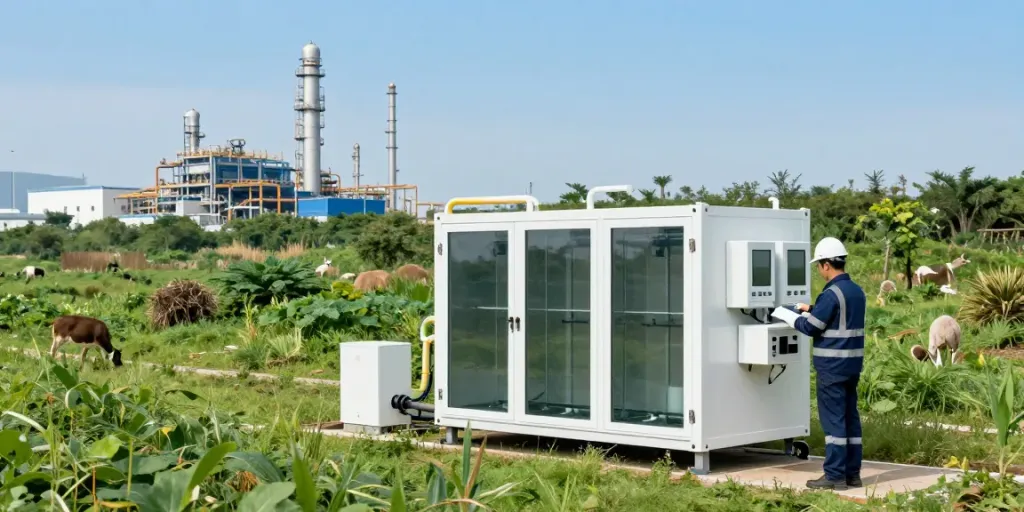
Integrating reclaimed water systems into existing infrastructure can be daunting. These systems require careful planning and engineering to minimize disruption. Employing modular and containerized solutions, such as those offered by QILEE, can enhance flexibility and ease of installation, making it easier for organizations to adapt to reclaimed water technologies.
Best Practices for Sustainable Water Reuse
To maximize the benefits of reclaimed water systems, organizations should adopt best practices that ensure operational efficiency and sustainability.
Choosing the Right Technology: MBR and RO Systems
Selecting appropriate technologies is critical to the success of a reclaimed water system. Membrane Bioreactors (MBR) and Reverse Osmosis (RO) systems are among the most effective methods for treating wastewater, providing high-quality effluent suitable for various applications.
Maintaining Operational Efficiency
Regular maintenance and monitoring are necessary to ensure systems operate smoothly and efficiently. Implementing automated monitoring systems can help track performance metrics and ensure compliance with safety standards.
Monitoring and Measuring Success
Establishing clear key performance indicators (KPIs) helps organizations assess the effectiveness and efficiency of their reclaimed water systems. Tracking metrics such as water quality, volume reused, and cost savings can provide valuable insights for continuous improvement.
Future Trends in Reclaimed Water Systems
As technology and societal needs evolve, so too does the landscape of reclaimed water systems.
Innovations in Wastewater Treatment for 2026 and Beyond
Emerging technologies such as advanced oxidation processes and artificial intelligence for process optimization are expected to enhance the efficiency of reclaimed water systems. Innovations in nanotechnology may also improve filtration methods, making it easier to treat a wider range of contaminants.
Anticipating Regulatory Changes and Their Impact
As the global focus on water sustainability increases, regulatory frameworks around reclaimed water are likely to become more stringent. Organizations must stay abreast of these changes to ensure compliance and take advantage of any government incentives for implementing water reuse strategies.
The Role of Community Education in Promoting Reuse
Community engagement and education will be crucial in promoting the acceptance and use of reclaimed water systems. By fostering an understanding of the benefits and safety of reclaimed water, stakeholders can drive public support and participation in sustainable water initiatives.
What does a reclaimed water system mean?
A reclaimed water system refers to the process of treating wastewater and reusing it for non-potable applications, contributing significantly to water conservation and sustainability efforts.
Are reclaimed water systems safe for irrigation?
When properly treated, reclaimed water systems produce high-quality water that is safe for irrigation. Regulatory standards ensure that reclaimed water is free from harmful pathogens and contaminants, making it suitable for various agricultural applications.
How much does it cost to install a reclaimed water system?
The cost of installing a reclaimed water system can vary widely based on factors such as technology chosen, scale of implementation, and local regulations. However, the long-term savings on water procurement and utility costs often offset initial investment.
What are the environmental impacts of using reclaimed water?
Using reclaimed water has positive environmental impacts, including the reduction of freshwater withdrawal, improved water conservation, and decreased pollution to natural water bodies, all contributing to a healthier ecosystem.
How do reclaimed water systems compare to traditional water sources?
Reclaimed water systems can provide a reliable and sustainable alternative to traditional water sources, particularly in regions facing water scarcity. They offer a circular approach to water usage without putting additional stress on natural water bodies.