Introduction to Engineered Composites and GRP Manufacturing
Engineered Composites is a prominent name in the UK, known for its exceptional quality in manufacturing glass reinforced plastic (GRP) products. With over 40 years of experience, this independent GRP manufacturer has set a high standard, catering to various sectors including construction, marine, and transportation. As materials evolve, the demand for advanced composite solutions rises, necessitating a deeper understanding of their advantages and applications. In this article, we will explore the landscape of GRP manufacturing, the benefits of GRP products, and the pivotal role that Engineered Composites plays within this industry. When exploring options, Engineered Composites provides comprehensive insights into the capabilities and features of GRP solutions.
What is Engineered Composites?
Engineered Composites is an independent, privately owned GRP manufacturer and supplier based in the UK. With a strong commitment to innovation and quality, the company has built a solid reputation as a leader in the field. Engineered Composites specializes in a wide array of GRP products including gratings, handrails, profiles, and more, all engineered to meet stringent safety standards and customer specifications. This adaptability has positioned them as essential partners in industries that require robust and reliable materials.
Overview of GRP Manufacturing
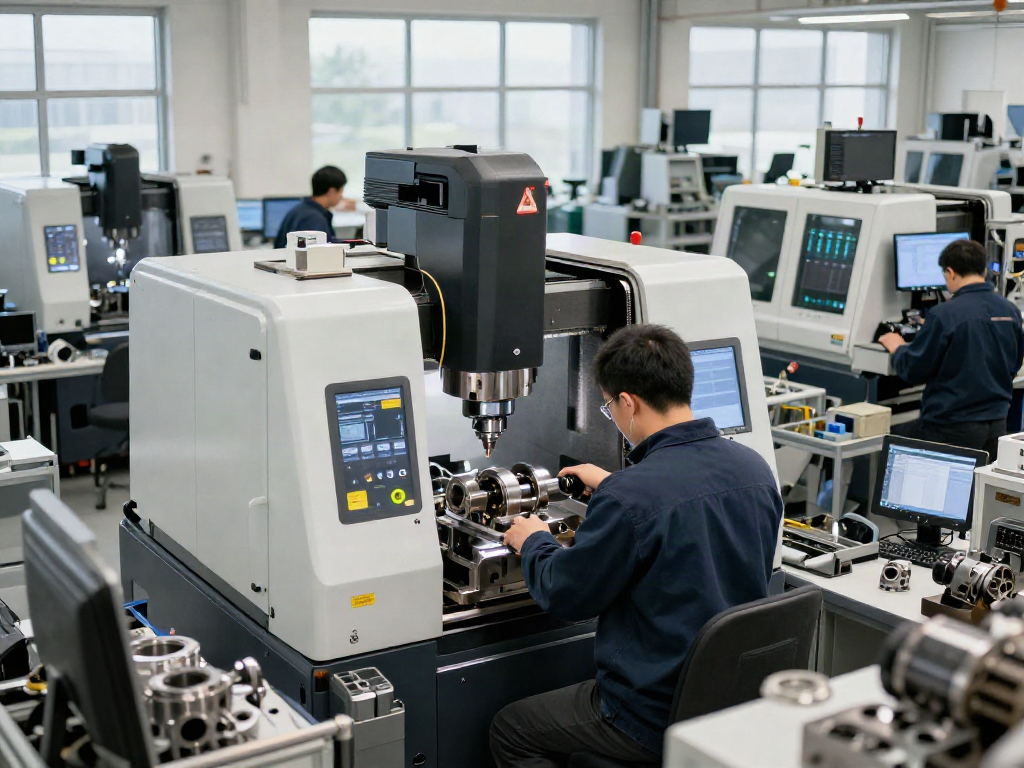
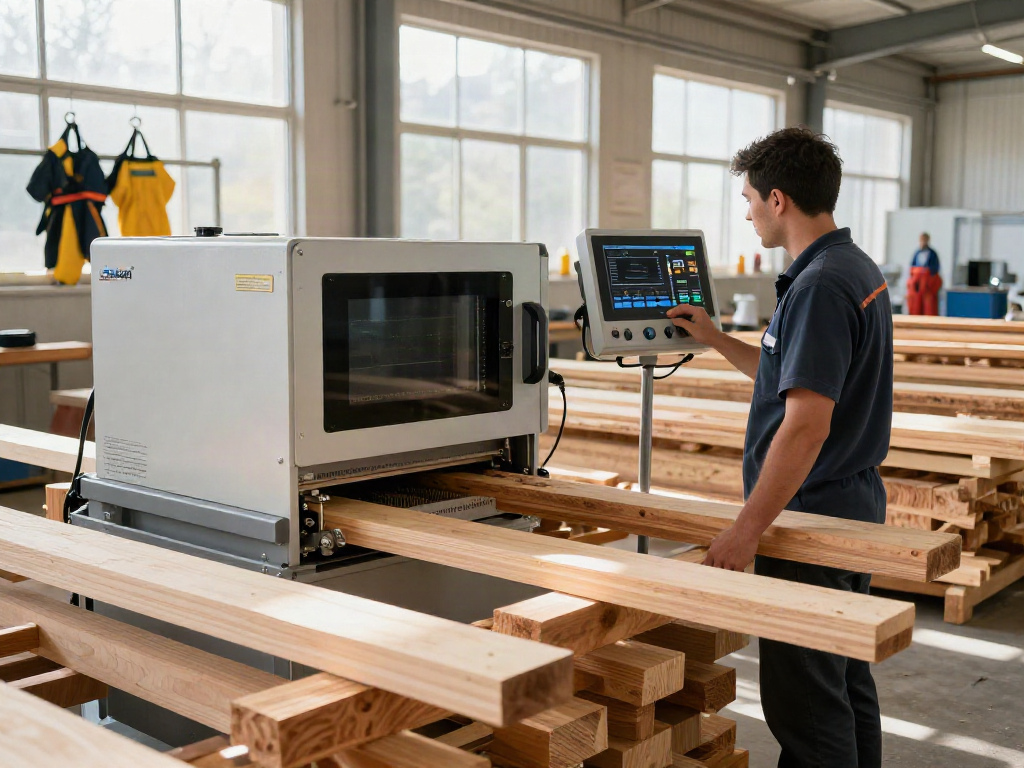
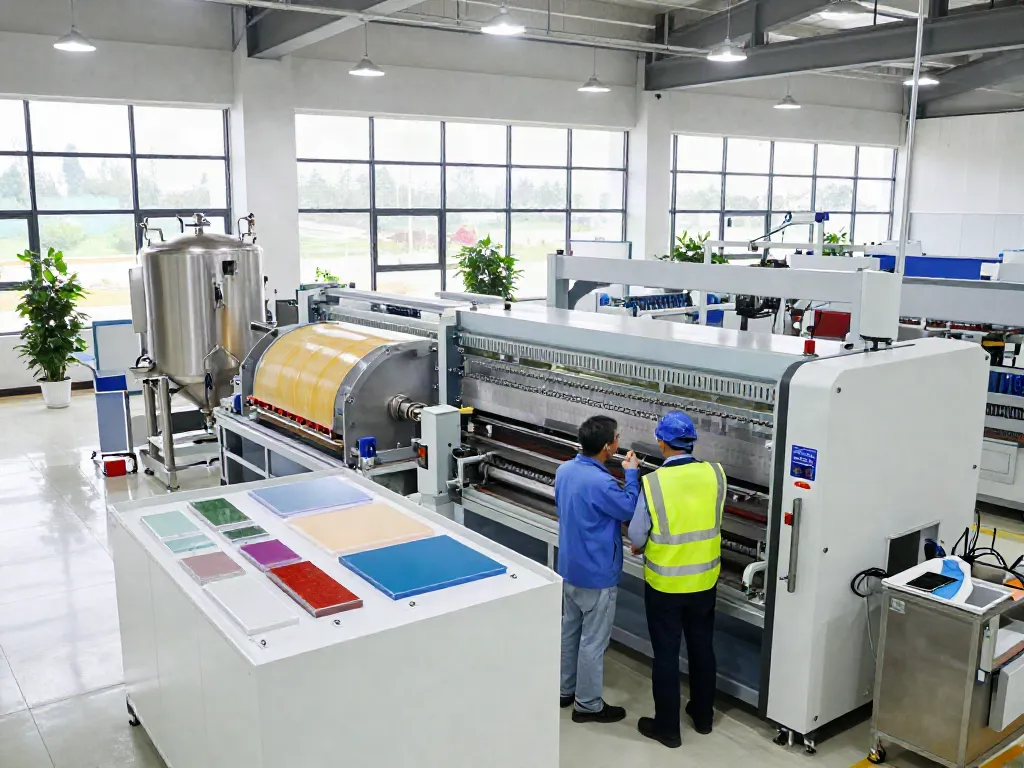
Glass Reinforced Plastic (GRP), often referred to as fiberglass, is a composite material made from a polymer matrix reinforced with glass fibers. This combination gives GRP exceptional strength-to-weight ratios and makes it highly resistant to environmental stresses. The manufacturing process of GRP typically involves pultrusion or infusion methods, allowing for precise control over product characteristics. Engineered Composites employs advanced production techniques to ensure that all products meet BS EN 13706 performance standards, contributing to both safety and durability.
Importance of Advanced Composite Materials
As industries evolve, the demand for innovative materials that offer superior performance characteristics grows. Advanced composite materials like GRP provide unparalleled advantages, such as resistance to corrosion, lightweight properties, and a substantial lifespan of over 50 years. The importance of these materials is particularly pronounced in sectors prone to harsh environmental conditions, including marine and chemical industries, where traditional materials may fail prematurely.
The Advantages of Using GRP Products
Cost Efficiency Compared to Traditional Materials
One of the most significant advantages of GRP products lies in their cost efficiency. Compared to traditional materials like steel and aluminum, GRP can be up to 70% lighter. This reduced weight not only facilitates easier transportation and installation but also lowers overall project costs by reducing the need for additional structural support. Moreover, GRP does not require costly maintenance treatments such as galvanizing or painting, leading to significant savings over its lifecycle.
Lightweight and Durable Characteristics
GRP products are not only lightweight but incredibly durable, making them suitable for a variety of applications. This durability is particularly valuable in environments where materials are subject to corrosion or impact. For instance, in marine applications, GRP's resistance to saltwater makes it an ideal choice for structures that would typically corrode over time.
Environmental Resistance and Longevity
The inherent properties of GRP allow it to withstand extreme weather conditions, UV radiation, and chemical exposure without degrading. This makes it a reliable option for outdoor installations and industrial settings. Furthermore, the longevity of GRP products—exceeding 50 years—ensures that they can withstand the test of time, providing excellent return on investment.
Quality Assurance in GRP Manufacturing
ISO 9001 Standards and Compliance
Quality assurance is paramount in GRP manufacturing, and Engineered Composites adheres to ISO 9001 standards to guarantee that their products consistently meet customer expectations. This certification reflects a commitment to quality management practices, which encompass continuous improvement and customer satisfaction.
Internal Testing and Quality Control Measures
Engineered Composites implements rigorous internal testing protocols to ensure that every GRP profile, grating, and handrail meets specified performance metrics. This includes assessments for fire resistance, tensile strength, and dimensional accuracy, ensuring compliance with both UK and international standards. Such thorough testing processes highlight the company’s dedication to safety and performance.
Customer Satisfaction and Reviews
With a strong focus on customer service, Engineered Composites has consistently earned 5-star ratings from clients across various industries. Feedback highlights their quick response times, product quality, and technical expertise. This commitment to customer satisfaction is reflected in their operational practices and support services, reinforcing their reputation as a leading GRP manufacturer.
Applications of GRP Products Across Industries
Construction and Infrastructure Use Cases
In the construction industry, GRP products are utilized for a range of applications including flooring, handrails, and scaffolding. Their lightweight nature allows for easier handling and installation, while their resistance to corrosion minimizes upkeep costs. Notable projects include pedestrian walkways in urban environments and industrial flooring that must withstand heavy loads and harsh conditions.
Marine and Utility Applications
GRP's waterproof and corrosion-resistant properties make it ideal for marine applications. Products such as GRP docks and wharfs provide resilient structures that endure harsh marine environments. Additionally, in utility sectors, GRP is used in chemical storage tanks and piping systems where resistance to harsh chemicals is essential.
Automotive and Transportation Integration
In the automotive industry, GRP components are increasingly being used for lightweight structural parts, enhancing fuel efficiency and performance. Moreover, GRP is applied in the transportation sector for manufacturing parts like bus and rail car panels, providing durability and reducing maintenance costs.
The Future of Engineered Composites and GRP Products
Innovations in Composite Manufacturing Technology
The future of GRP manufacturing holds exciting possibilities with advancements in composite manufacturing technologies. Innovations in automation and smart materials are expected to enhance production efficiency and product performance. These advancements will likely lead to more customized solutions, catering to specific industry needs.
Sustainability and Environmental Impact Initiatives
As sustainability becomes increasingly important, Engineered Composites is committed to reducing the environmental impact of GRP manufacturing. The production process uses significantly less energy compared to steel, and the materials can be repurposed at the end of their lifecycle, aligning with modern sustainable construction goals.
Predictions for GRP Trends in 2026 and Beyond
Looking forward to 2026, the GRP market is expected to grow significantly as more industries recognize the advantages of composite materials. Emerging trends include greater adoption in the renewable energy sector, particularly in wind turbine components, and the continued integration of GRP in transportation and infrastructure projects to bolster efficiency and durability.
What types of GRP products do you supply?
Engineered Composites offers a comprehensive range of GRP products including gratings, profiles, handrails, flooring, decking, and fencing solutions. Their extensive portfolio allows them to serve various sectors, ensuring that all products are tailored to meet specific project requirements.
Are GRP products suitable for outdoor use?
Yes, GRP products are exceptionally suitable for outdoor use. They are designed to withstand harsh environmental conditions, including intense sunlight, rain, and chemical exposure. This makes them ideal for applications in coastal areas, industrial sites, and other outdoor environments.
Can GRP be cut or drilled on site?
Absolutely. GRP materials can be easily cut or drilled on site with standard diamond-tipped tools. This level of flexibility allows for customizations during installation, ensuring that products can meet unique project specifications without requiring extensive additional resources.