Understanding Woodworm Infestation and Its Impact
Woodworm infestations can pose significant threats to wooden structures, leading to costly repairs and compromises in structural integrity. These pests, typically larvae of wood-boring beetles, feed on the cellulose in wood, causing severe damage over time. Understanding how these infestations occur and their consequences is vital for homeowners and businesses alike. With systems like SHASHEL®, the battle against woodworms can be more effective than ever.
What Are Woodworms and How Do They Infest Wood?
Woodworms refer to the larvae of certain beetles, primarily the common furniture beetle, the house longhorn beetle, and several species of woodboring beetles. They thrive in moist, untreated wood, entering through small holes and laying eggs. When these eggs hatch, the larvae tunnel into the wood, consuming it and creating a network of galleries that can severely weaken structural components.
The Consequences of Woodworm Damage on Structures
The damage caused by woodworms is often silent and gradual. Over time, they can lead to:
- Severe structural weakening, potentially leading to collapse
- Increased repair costs for homeowners and businesses
- Decreased property value
- Health risks due to dust and debris
Awareness and early intervention are critical to mitigating these problems.
Common Misconceptions About Woodworm Infestation
Many people believe that woodworm infestations are primarily cosmetic issues. However, this misconception can lead to serious consequences. Understanding the reality of woodworm threats is crucial:
- Woodworm infestations are not limited to old or damaged wood; they can affect new structures as well.
- Simply treating visible holes is insufficient—effective treatment must reach the wood's interior where larvae reside.
- Wood treatments often involve harsh chemicals, which can pose health risks to inhabitants.
Introducing SHASHEL® Technology: A Revolutionary Approach
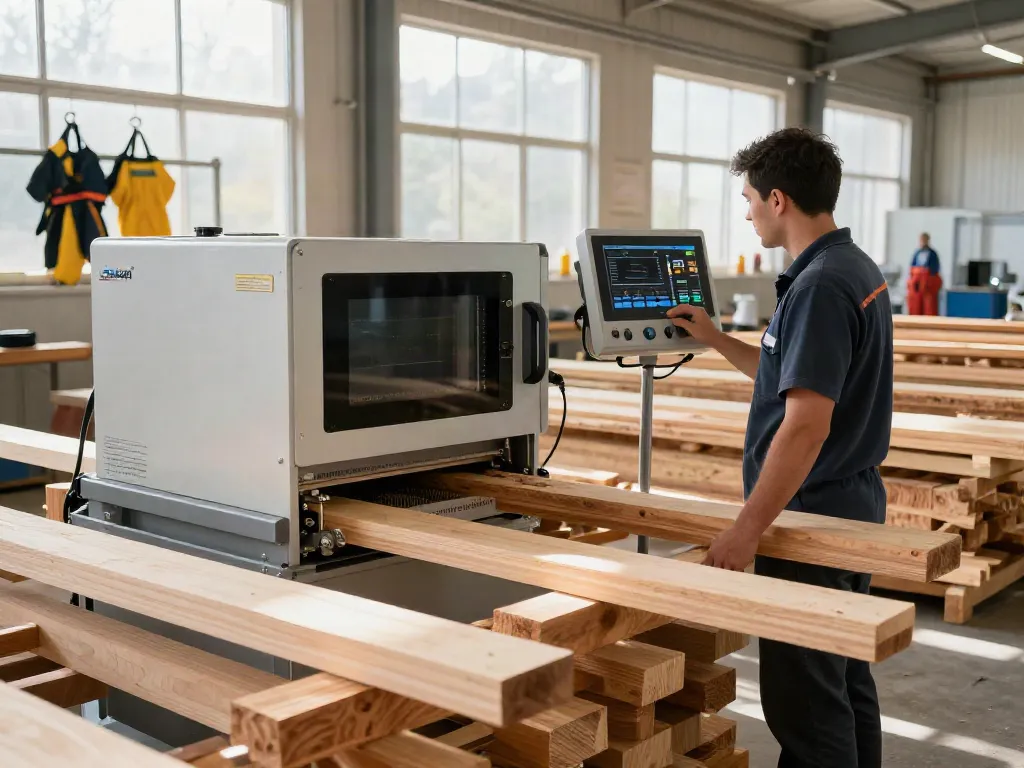
In the fight against woodworm infestations, SHASHEL® technology offers a groundbreaking solution. Utilizing microwave energy, this innovative system effectively eliminates wood-boring insects without the use of chemicals, providing a safe and eco-friendly option for both residential and commercial applications.
How SHASHEL® Microwave Technology Works
The SHASHEL® system operates by emitting microwave energy that penetrates wood, heating it rapidly and uniformly. This heat disrupts the biological processes of woodworms, larvae, and eggs, resulting in their elimination. This method is not only efficient but also ensures that the integrity of the wood is preserved, as the heat is carefully controlled to avoid scorching or damaging the material.
Comparing SHASHEL® with Traditional Wood Treatment Methods
Traditional wood treatment methods often involve chemical pesticides that can harm the environment and pose risks to human health. In contrast, SHASHEL® microwave technology:
- Eliminates the need for harmful chemicals, making it safer for indoor use.
- Provides rapid treatment, with results often visible within minutes.
- Ensures effective penetration into the wood, targeting hidden infestations.
Key Benefits of Using SHASHEL® for Wood Preservation
The advantages of using SHASHEL® technology extend beyond mere pest elimination. Some notable benefits include:
- Non-toxic solution suitable for various settings, including homes and food storage areas.
- Preservation of wood quality and aesthetics, vital for both functional and decorative wooden items.
- Easier application and monitoring, with no need for extensive preparation or cleanup.
Application and Effectiveness of SHASHEL® in Various Settings
SHASHEL® technology is versatile, making it suitable for different environments, from residential homes to commercial enterprises. Here, we explore how it can be effectively implemented.
Home Use: How to Safely Eliminate Woodworms
For homeowners, SHASHEL® offers a straightforward solution to woodworm problems. Its user-friendly design allows non-professional users to administer treatment safely and effectively. Regular home inspections combined with this technology can protect your living space from infestations.
Commercial Applications: Protecting Businesses from Infestation
Businesses such as furniture retailers, warehouses, and restaurants can benefit immensely from SHASHEL® technology. By incorporating it into regular maintenance routines, these businesses can safeguard their inventory and ensure the longevity of their wooden materials.
Case Studies: Successful SHASHEL® Implementations
Numerous case studies demonstrate the effectiveness of SHASHEL® technology:
- A furniture maker reported a reduction in woodworm damage by 90% after implementing SHASHEL® treatment.
- In a commercial warehouse, routine use of the technology resulted in zero pest-related damage over two years.
- Homeowners have praised the ease of use and rapid results, particularly in areas with high humidity.
Best Practices for Maintaining Wood Integrity Post-Treatment
Once wood has been treated with SHASHEL®, proper maintenance is essential to prevent future infestations. Here are some best practices:
Regular Inspections: Catching Infestations Early
Conducting regular inspections of wooden structures allows for early detection of any signs of woodworm activity. Look for:
- New holes or dust accumulation around wooden surfaces.
- Changes in wood texture or strength, indicating potential weakening.
- Signs of moisture, which can attract wood-boring insects.
Preventative Measures: Keeping Wood Safe from Pests
Consider the following preventative measures to maintain wood integrity:
- Control humidity levels in environments where wood is used or stored.
- Ensure proper ventilation in attics, basements, and storage areas.
- Regularly treat wood with SHASHEL® or similar pest management solutions.
Integrating SHASHEL® Solutions into Regular Maintenance Routines
For optimal results, integrating SHASHEL® technology into your regular maintenance schedule will help ensure ongoing protection against woodworm infestations. This proactive approach minimizes risks and preserves the quality of wooden structures.
Future Trends in Wood Treatment and Pest Control
The landscape of wood treatment and pest control is rapidly evolving, with advancements in technology driving more effective and environmentally friendly solutions.
Emerging Technologies in Pest Management for 2026
As we look ahead to 2026, several emerging technologies are poised to enhance pest management:
- AI-driven pest monitoring systems that can detect infestations earlier and with greater accuracy.
- Biological control methods that utilize natural predators to manage pest populations.
- Advanced thermal imaging or scanning technologies for proactive monitoring of wood integrity.
SHASHEL® Innovations on the Horizon
SHASHEL® continues to innovate, exploring ways to enhance its technology, including:
- Developing systems that are even more efficient and user-friendly.
- Expanding the range of pests that can be effectively treated with microwave technology.
- Enhancing portability for use in more diverse environments.
Environmental Considerations: The Push for Chemical-Free Solutions
As environmental concerns become more prominent, the demand for chemical-free wood treatment solutions like SHASHEL® is likely to increase. Consumers are seeking sustainable alternatives that do not compromise health or safety, making this technology crucial in modern pest management.
What Customers Are Asking: Common Questions About Wood Treatment?
As with any innovative solution, customers have questions about SHASHEL®. Here are some frequently asked:
- How long does the treatment process take?
- Is the equipment portable for use in various locations?
- What types of wood can be treated?
How Effective Is SHASHEL® in Different Climates?
SHASHEL® technology has proven effective across various climates, adapting to different humidity levels that often impact woodworm activity. Ensuring proper treatment practices in varying conditions can maximize effectiveness.
Can SHASHEL® Equipment Be Used for Other Types of Pests?
While primarily designed for wood-boring insects, SHASHEL® technology is being researched for effectiveness against other pests, broadening its appeal.
What Maintenance Is Required for SHASHEL® Systems?
Maintaining SHASHEL® equipment involves regular cleaning and occasional calibration to ensure precise functioning. This routine upkeep extends the lifespan of the technology and sustains its effectiveness.
Where Can I Purchase SHASHEL® Equipment?
SHASHEL® equipment can be purchased directly from the company’s official website or through accredited distributors. A comprehensive guide on usage and safety is typically included with purchase.