The Role of Leading Aerospace CNC Parts Manufacturers in Modern Aviation
In the fast-evolving landscape of the aerospace industry, precision and reliability are paramount. As such, leading aerospace CNC parts manufacturers play a crucial role in the development and production of components that meet stringent safety and performance standards. With advancements in technology and manufacturing processes, companies are now able to provide highly precise, custom-engineered solutions tailored to the unique needs of aerospace applications. For organizations exploring the complexities of aerospace manufacturing, the role of leading aerospace cnc parts manufacturers cannot be overstated.
Overview of CNC Machining in Aerospace
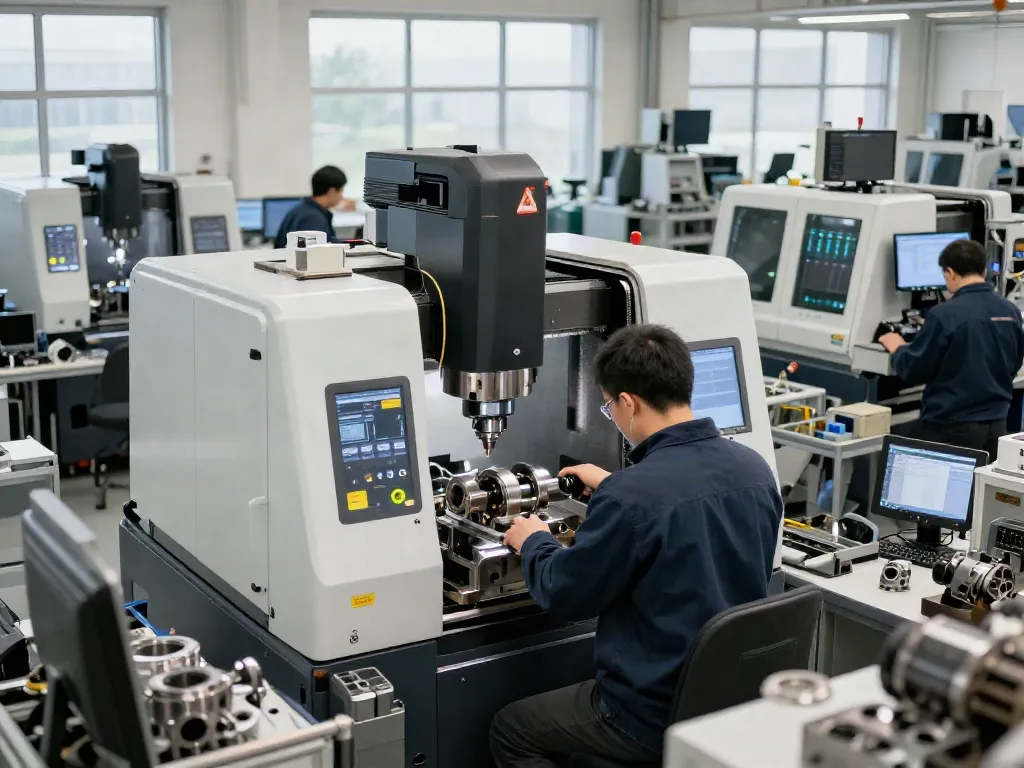
CNC (Computer Numerical Control) machining is a critical technology in the aerospace sector, enabling the production of intricate parts with minimal human intervention. This method utilizes computer algorithms to control machining tools like lathes, mills, and routers. By automating the fabrication process, manufacturers can achieve higher precision and repeatability, essential for components that must withstand extreme environments, such as engine components, landing gear, and fuselage structures.
With an increasing demand for lightweight and durable materials, CNC machining allows engineers to leverage a diverse array of materials, enhancing both the efficiency and effectiveness of aircraft. As aerospace continues to grow, particularly in the realms of commercial and military applications, the importance of CNC machining is expected to escalate.
Benefits of Precision CNC Manufacturing for Aerospace Parts
The aerospace industry is heavily reliant on precision components for optimal performance and safety. Here are several key benefits associated with CNC manufacturing in this sector:
- High Tolerance: CNC machining can produce parts with extremely tight tolerances, essential for the aerodynamics and functionality of aircraft components.
- Complex Geometries: CNC machines can create complex shapes and designs that would be impossible or cost-prohibitive to achieve with traditional manufacturing methods.
- Improved Efficiency: Automating the machining process reduces setup times and enhances productivity, enabling faster turnaround for prototypes and production runs.
- Material Versatility: CNC machining can work with a wide variety of materials, including metals such as titanium and aluminum, as well as high-performance plastics.
- Cost-Effectiveness: While the initial investment may be higher, the long-term savings from reduced waste and faster production times make CNC machining a financially sound choice.
Key Materials Used in Aerospace CNC Machining
In aerospace manufacturing, the choice of materials is critical, affecting the performance, weight, and durability of the final products. The following are some of the most commonly used materials in CNC machining for aerospace applications:
- Metals: Aluminum alloys, Titanium alloys, Steel alloys, and Magnesium alloys.
- Plastics: Polypropylene (PP), Polyurethane (PU), Polycarbonate (PC), Polystyrene (PS), Polyvinyl Chloride (PVC), Acrylonitrile Butadiene Styrene (ABS), Polyethylene Terephthalate (PET), Polymethyl Methacrylate (PMMA), High-Density Polyethylene (HDPE), Polyether Ether Ketone (PEEK), and Polyoxymethylene (POM).
The selection of materials will often depend on the specific requirements of the component, such as weight restrictions, thermal resistance, and structural integrity.
Trends Shaping Aerospace CNC Manufacturing in 2026
The landscape of aerospace CNC machining is constantly changing, driven by technological advancements and industry demands. As we approach 2026, several trends have emerged that are reshaping the manufacturing process in this domain.
Emerging Technologies in Precision Machining
Innovative technologies such as additive manufacturing and hybrid machining are gaining traction. Additive manufacturing, or 3D printing, allows for the creation of complex geometries that traditional methods cannot easily replicate. Hybrid machining combines CNC milling with additive processes to enhance production capabilities, offering new avenues for designing lightweight components.
Impact of Automation on CNC Manufacturing
Automation is becoming increasingly prevalent in CNC machining. The integration of advanced robotics and AI technologies enables manufacturers to streamline operations, reduce labor costs, and improve precision. This shift towards a more automated manufacturing environment not only enhances production capabilities but also addresses the workforce challenges faced by the industry.
Sustainability Practices in Aerospace Production
Environmental sustainability is a significant focus in aerospace production. Manufacturers are implementing practices to reduce waste and energy consumption, such as utilizing recyclable materials and optimizing machining processes to minimize scrap. Companies are also seeking to adapt their operations to comply with increasingly stringent environmental regulations.
Challenges Faced by Aerospace CNC Parts Manufacturers
While the future of aerospace CNC machining looks promising, manufacturers face several challenges that could hinder their progress.
Regulatory Compliance and Quality Assurance
Compliance with industry standards and regulations, such as AS9100 certification, is non-negotiable in aerospace manufacturing. This requires robust quality assurance processes to ensure that all components meet safety and performance requirements. Managing this compliance can be resource-intensive and requires continuous investment in training and technology.
Supply Chain Issues and Material Sourcing
The global supply chain for aerospace materials can be fragile. Fluctuations in demand, geopolitical tensions, and unforeseen events (like the COVID-19 pandemic) have highlighted vulnerabilities in material sourcing. Manufacturers must develop effective strategies to manage these challenges to secure a steady flow of materials.
Technological Adaptation and Workforce Training
As technologies evolve, so too must the workforce. Continuous training and upskilling are crucial to ensure that employees are equipped to utilize new technologies effectively. Companies that invest in workforce development will be better positioned to harness the potential of the latest advancements in CNC machining.
Best Practices for Selecting Aerospace CNC Parts Manufacturers
Choosing the right aerospace CNC parts manufacturer is critical for ensuring quality and performance. Here are some best practices to guide your selection process:
Evaluating Quality Metrics and Certifications
Before partnering with a manufacturer, assess their quality metrics and certifications. Look for compliance with industry standards such as ISO 9001 and AS9100, which indicate a commitment to quality management and safety.
Understanding Lead Times and Production Capabilities
In the aerospace sector, timely delivery is crucial. Evaluate potential manufacturers on their lead times and ask about their capacity to scale production as needed. Make sure they have a proven track record of meeting deadlines and delivering high-quality parts.
Assessing Customer Service and Technical Support
Strong customer service and technical support are vital for resolving issues promptly and fostering long-term partnerships. Engage with the manufacturer to gauge their responsiveness, communication skills, and willingness to provide assistance throughout the project lifecycle.
Future Outlook: What’s Next for Aerospace CNC Parts Manufacturers?
The aerospace industry is primed for growth and innovation, particularly in the wake of recent technological advancements. As manufacturers strive for excellence, several key predictions and strategies are anticipated for 2030 and beyond.
Predictions for the Aerospace Industry in 2030
Looking forward, the aerospace sector is expected to embrace more sustainable practices, increased automation, and advancements in materials technology. The demand for aircraft with lower emissions and improved fuel efficiency will drive innovation in component design and manufacturing processes.
Innovative Materials on the Horizon
Research is ongoing into new materials that offer superior performance and sustainability. For instance, the development of bio-based composites and advanced alloys could revolutionize how aerospace components are designed and manufactured, improving overall performance while reducing environmental impact.
Strategic Moves for Staying Competitive in the Market
To thrive in a competitive landscape, aerospace CNC parts manufacturers must stay agile. This includes investing in cutting-edge technologies, fostering innovation, and forming strategic partnerships to enhance capabilities. Companies that prioritize collaboration and continuous improvement are more likely to succeed in the rapidly changing aerospace market.
What are the top aerospace CNC parts manufacturers?
The top aerospace CNC parts manufacturers are recognized for their commitment to quality, innovation, and reliability. Companies like Boeing, Lockheed Martin, and smaller specialized firms are at the forefront, continuously pushing the boundaries of what's possible in aerospace manufacturing.
How is CNC machining innovating aerospace production?
CNC machining is driving innovation in aerospace production by enabling higher degrees of precision and complexity previously unattainable with traditional methods. As technologies such as multi-axis machining and additive manufacturing evolve, so too will the capabilities of aerospace manufacturers.
What challenges do aerospace manufacturers currently face?
Aerospace manufacturers face challenges such as regulatory compliance, supply chain disruptions, and the need for workforce training to keep pace with technological advancements. Addressing these issues is critical to maintaining competitiveness in the industry.
What materials are most commonly used in aerospace parts?
Common materials used in aerospace parts include aluminum alloys, titanium alloys, and advanced plastics. Each material is chosen based on its properties, including weight, durability, and resistance to extreme conditions.
How do I choose a reliable aerospace CNC manufacturer?
To choose a reliable aerospace CNC manufacturer, evaluate their quality certifications, production capabilities, and customer service track record. It's essential to conduct thorough due diligence to ensure that the manufacturer can meet your specific needs and standards.