Understanding the Phenomenon of Celebrities That Look Alike
The fascination with celebrities that look alike has become a substantial part of popular culture, often driving discussions about identity, fame, and the nature of resemblance. From Twitter threads showcasing uncanny lookalikes to Instagram profiles dedicated to doppelgängers, the phenomenon embodies both humor and intrigue. But what defines a celebrity lookalike, and why are we so drawn to these likenesses? In this article, we will delve deep into the world of celebrity lookalikes, exploring their psychological, cultural, and commercial implications.
What Defines a Celebrity Lookalike?
A celebrity lookalike is often described as an individual who bears a striking resemblance to a well-known public figure. This resemblance can manifest in various physical attributes such as facial structure, hair color, and even mannerisms. However, the definition extends beyond mere physical appearance; it can also encompass shared styles or similar personas that resonate with audiences. In the realm of doppelgängers, it is not uncommon for fans and observers to mistake one celebrity for another, leading to amusing situations and sometimes even career opportunities for lookalikes.
The Psychology Behind Doppelgangers
Psychologically, our attraction to celebrity lookalikes can be traced back to several cognitive biases. The mere exposure effect suggests that the more we see someone, the more we tend to like them. Consequently, when we encounter lookalikes of famous stars, our brains may process these faces as more familiar and attractive, a phenomenon that can provoke feelings of nostalgia or connection. Additionally, seeing a doppelganger can reflect our innate curiosity about identity and individuality, prompting us to question what makes someone unique versus what we perceive as generic similarities.
Famous Examples of Celebrities That Look Alike
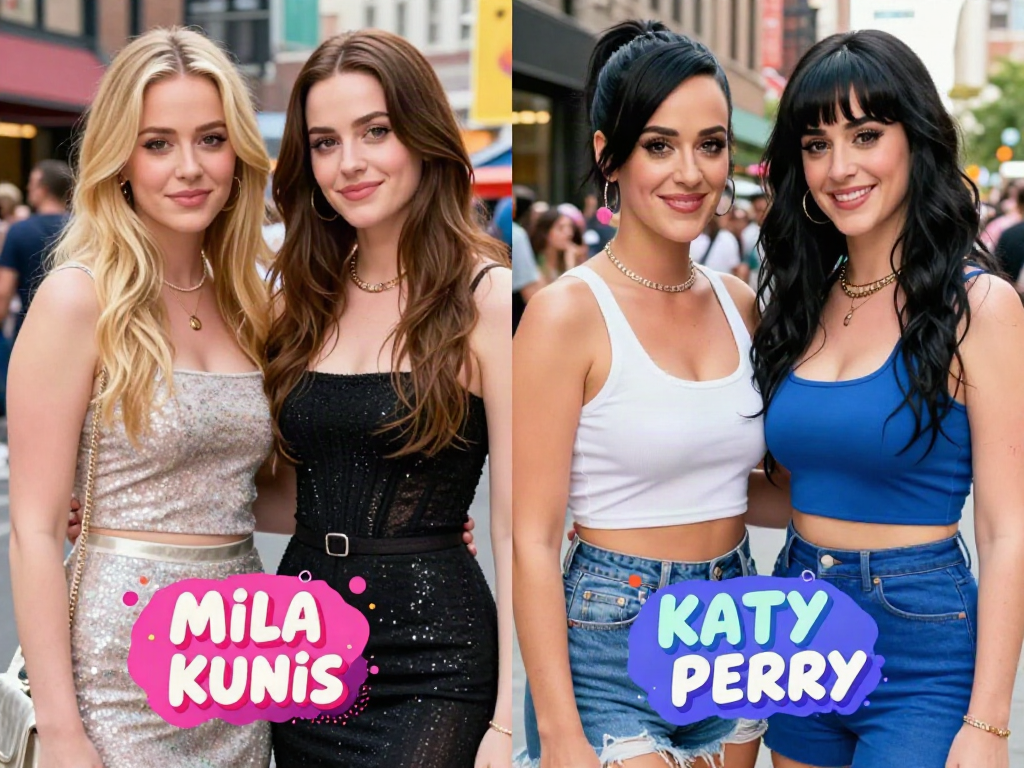
- Katy Perry and Zooey Deschanel: Beyond their similar hairstyles and playful personas, these two starlets often get grouped together in social media discussions.
- Will Ferrell and Chad Smith: The comedian and the drummer are often confused for one another due to their uncanny resemblance, leading to amusing public appearances.
- Margot Robbie and Samara Weaving: With a shared look and similar acting styles, these cousins have often been dubbed as doppelgängers.
- Sarah Hyland and Mila Kunis: Both actresses have similar facial features that often lead to confusion among fans.
- Kevin Bacon and Ethan Hawke: These two actors, though from different genres, share strikingly similar facial structures.
Social Media and Celebrities That Look Alike
In the age of social media, the phenomenon of celebrity lookalikes has been transformed, allowing fans to discover and share likenesses with unprecedented ease. Platforms like Instagram and TikTok have fostered a culture where users can post side-by-side images of lookalikes, prompting discussions and viral trends. This digital environment not only amplifies the momentary excitement of finding a doppelganger but also offers a space for fans to engage with these comparisons creatively.
The Role of Instagram in Celebrity Doppelganger Culture
Instagram has played a pivotal role in the emergence of celebrity doppelganger culture. The platform's visual nature allows for quick comparisons and easy dissemination of images. Accounts dedicated to showcasing celebrity similarities have attracted significant followings, allowing fans to engage with content that resonates with their interest in celebrity culture. Filters and editing tools further blur the lines, giving rise to fun trends where users attempt to recreate famous looks, prompting discussions about identity and representation.
Viral Trends and Challenges Related to Lookalikes
Several viral trends have emerged that revolve around the idea of celebrity lookalikes. Popular challenges on TikTok encourage users to mimic the poses or expressions of their favorite stars, sometimes leading to humorous results. In contrast, challenges that explore the concept of "who wore it best" can sometimes spark debates and friendly rivalry among fans. These trends illustrate the communal enjoyment of celebrity culture while also reflecting contemporary societal norms around beauty and attractiveness.
Engaging with Celebrity Lookalike Content
Engagement with celebrity lookalike content often goes beyond mere amusement; it can lead to deeper discussions about representation and diversity in media. As fans share their favorite lookalikes, they also contribute to broader dialogues regarding how society perceives beauty and likeness. Additionally, brands have started to tap into this phenomenon, recognizing its potential to engage audiences through campaigns that include lookalike celebrities, showcasing that the trend is both entertaining and commercially viable.
Industry Impact: Film and Television
The film and television industry has long acknowledged the power of celebrity lookalikes, utilizing them in various capacities from casting to marketing. As audiences become increasingly aware of these striking similarities, filmmakers may use this knowledge to enhance their storytelling and casting choices.
How Casting Choices are Influenced by Lookalikes
Lookalikes can influence the casting process significantly. Filmmakers may seek to cast actors who resemble popular stars, either as a marketing strategy or to evoke specific themes within a narrative. The presence of doppelgangers in films can also serve as a vehicle for comedic storytelling or plot devices that draw on mistaken identities, enriching the viewer's experience through layered narratives.
Iconic Roles Played by Lookalike Actors
Many notable actors have gained fame not just for their talents but also for their uncanny resemblance to other stars. For example, actors like Armie Hammer and his resemblance to other leading men have led to intriguing discussions among fans. In the realm of comedies, characters played by actors who closely resemble celebrities often lead to memorable moments, showcasing the potential for humor in these likenesses.
Casting Controversies Surrounding Lookalikes
While the concept of lookalikes can be entertaining, it has also led to controversies in casting. Instances where well-known characters are played by lookalikes instead of actors from diverse backgrounds can spark debates about representation and inclusivity in Hollywood. As audiences become more aware of these issues, the industry may face pressure to ensure that casting decisions honor the true essence of the characters portrayed.
Celebrity Lookalikes in Digital Marketing
Brands have increasingly recognized the potential of celebrity lookalikes in their marketing campaigns, leveraging the intrigue surrounding these figures to enhance brand visibility and engagement. This approach taps into the cultural zeitgeist, connecting products with the allure of celebrity culture.
Using Doppelganger Celebrities for Brand Campaigns
Engaging celebrity lookalikes in promotional campaigns can yield positive results for brands. By utilizing individuals who resemble well-known figures, marketers can evoke the appeal of these celebrities without the associated costs of hiring them directly. Additionally, lookalikes can create buzz around a specific product, drawing attention from both fans of the lookalike and the original celebrity.
Effective Strategies for Engaging with Fans
To maximize the impact of celebrity lookalikes in marketing, brands should adopt strategies that foster genuine engagement. This can include interactive social media campaigns, contests showcasing lookalike fans, or collaborations with influencers who celebrate this phenomenon. Engaging content that encourages user participation can amplify brand reach and enhance community connection.
Case Studies of Successful Lookalike Promotions
Several successful campaigns have harnessed the power of celebrity lookalikes. A notable example includes a popular beverage brand that used a lookalike of a famed actor in a commercial, leading to a viral discussion about the resemblance. As fans shared the ad online, curiosity around the brand surged, demonstrating the effectiveness of utilizing doppelganger culture in marketing.
The Future of Celebrity Lookalikes
As we move further into the 2020s, the landscape of celebrity lookalikes is likely to evolve, reflecting changing societal perceptions and technological advancements.
Emerging Trends in 2026 and Beyond
We can expect to see greater integration of augmented reality in exploring lookalike culture. Applications that allow users to see how they might resemble various celebrities could become mainstream, further blending the lines between reality and celebrity likeness. Additionally, as societal views on beauty diversify, we may see an increase in discussions surrounding cultural appreciation versus appropriation when it comes to celebrity lookalikes.
Predictions for Celebrity Culture
The future of celebrity culture may also see a shift towards authenticity and realness, with audiences craving genuine connections rather than manufactured personas. This might open doors for lookalikes who embrace their similarities while carving out their unique identities, leading to a more inclusive representation of celebrity culture.
What Fans Can Expect from the Lookalike Phenomenon
Fans can anticipate an exciting future for the lookalike phenomenon, with more community involvement and interactive experiences emerging. As social media platforms evolve, they will likely offer new ways for fans to connect over shared interests in celebrity resemblances, further enhancing the allure of doppelgangers.
FAQs
Who are some of the most famous celebrity lookalikes?
Famous celebrity lookalikes include individuals such as Sarah Hyland and Mila Kunis, as well as Katy Perry and Zooey Deschanel. These comparisons often spark lively discussions on social media.
Why do people get so fascinated with celebrities that look alike?
Fascination with celebrity lookalikes stems from our psychological inclination toward familiarity and recognition. The unexpected connections between famous figures can evoke humor and intrigue, driving social discussions.
Are all celebrity lookalikes doppelgängers?
Not all celebrity lookalikes are true doppelgängers. While some individuals may share striking resemblances, others might simply evoke similar styles or vibes without physical likeness.
How can I find out if a celebrity has a lookalike?
Social media platforms, online forums, and dedicated lookalike websites often showcase celebrity lookalikes. Engaging with these communities can lead to discovering new doppelganger connections.
Are there lookalikes in the same industry as famous celebrities?
Yes, many industries, particularly entertainment, witness lookalikes either rising to fame on their own or being cast in projects due to their resemblance to well-known figures. This phenomenon highlights the blend of talent and physical likeness in the realm of celebrity.