Understanding Online AI Digital Art Generators
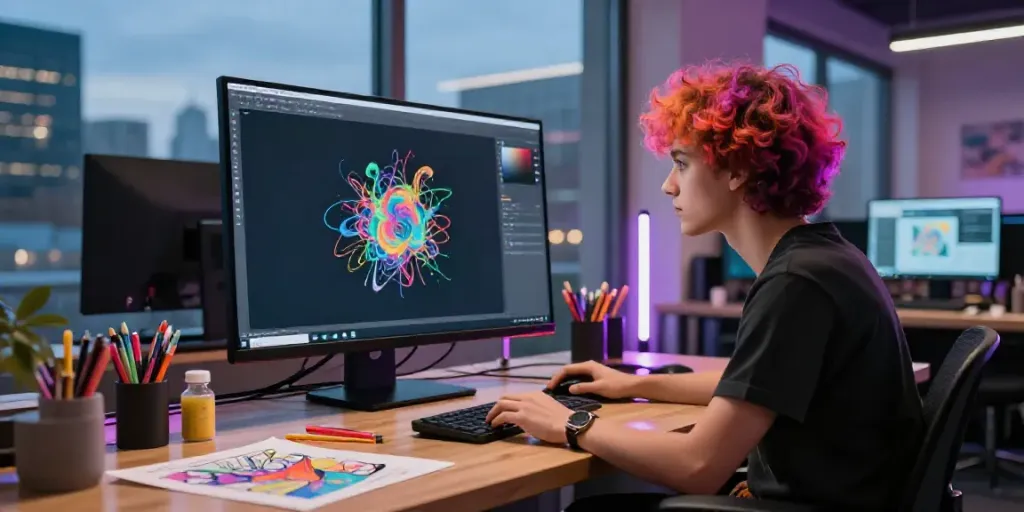
As technology continues to evolve, the realm of digital art has witnessed a revolutionary change with the advent of online AI digital art generator. These innovative tools enable users to generate stunning artworks through simple text prompts, eliminating the barriers many face in traditional art creation. This article aims to explore the intricacies of online AI digital art generators, their operational mechanics, and the myriad benefits they bring to artists, designers, and enthusiasts alike.
What are Online AI Digital Art Generators?
Online AI digital art generators are advanced software applications that utilize artificial intelligence algorithms to create visual content based on user-defined inputs. These generators can interpret textual descriptions, transforming them into intricate images, paintings, or other forms of visual art. By harnessing machine learning and neural networks, these platforms recognize patterns and styles, replicating various artistic movements and techniques within milliseconds.
How They Work: The Technology Behind the Art
The operational backbone of online AI digital art generators lies in complex computational models known as Generative Adversarial Networks (GANs). GANs consist of two neural networks—the generator and the discriminator—that work in tandem. While the generator creates images based on training data, the discriminator evaluates these images against real-world counterparts. This iterative process enhances the quality and relevance of the generated art. Advanced models may also integrate techniques like style transfer, allowing users to apply distinctive art styles to their creations seamlessly.
Benefits of Using AI in Digital Art Creation
- Accessibility: Online AI digital art generators democratize art creation by enabling anyone, regardless of skill level, to produce compelling artworks.
- Speed: These platforms significantly reduce the time required to create art, allowing for rapid experimentation and iteration.
- Cost-Effectiveness: Many tools are free or offer low-cost subscriptions, making them accessible to a broad audience.
- Creative Inspiration: Artists can use AI-generated works as a springboard for their creativity, exploring new styles and ideas.
Exploring Popular Online AI Digital Art Generator Tools
Top Online Platforms for AI Art Generation
The growing popularity of online AI digital art generators has led to a variety of platforms that cater to different needs. Here are some of the most prominent:
- NightCafe: A community-driven platform that not only allows for art creation but also encourages sharing and collaboration among users.
- Canva AI: Known for its user-friendly interface, this tool lets users create artwork by simply typing prompts—perfect for designers and marketers.
- Adobe Firefly: Leveraging Adobe's extensive background in creative software, Firefly provides robust features specifically tailored for generating high-quality art.
- OpenArt: This platform offers a wide range of models, allowing users to create not only images but also video and audio content.
Comparative Analysis: Features and Pricing Models
When selecting an online AI digital art generator, users should consider various factors such as feature sets, ease of use, and pricing. For instance, while NightCafe offers free usage with optional paid upgrades for enhanced features, Adobe Firefly may require a subscription for full access to its advanced capabilities. Users must weigh the value of creative freedom against cost, tailoring their choice to fit their artistic workflow.
User Reviews and Experiences with Leading Generators
Feedback from users reveals varying experiences with AI art generators. Many appreciate the intuitive design of Canva AI, allowing novices to create visually appealing designs quickly. Conversely, some users of NightCafe enjoy the community aspect that fosters engagement and provides inspiration. On platforms like OpenArt, users often highlight the diverse range of creative tools available, making it a favorite among seasoned artists.
Challenges and Considerations When Choosing AI Art Generators
Common Misconceptions About AI-Generated Art
A persistent misconception is that AI-generated art lacks originality. In reality, these generators synthesize existing artistic elements in novel combinations, often producing unique and innovative results. However, understanding the limitations of AI in capturing human emotion and intent remains crucial for artists.
Intellectual Property Concerns with AI-Generated Content
As AI art generation rises in popularity, so do questions regarding ownership and copyright. The legal landscape surrounding AI-generated works is complex, with ongoing debates about whether the creator of the input prompt, the AI developers, or the machine itself holds rights to the generated art. Artists must remain informed about these issues to protect their interests and ensure ethical practices.
Limitations of Current AI Technology in Art Generation
Despite advancements in technology, current AI systems still face challenges in understanding context and depth in artistic expression. While they excel in generating images, nuanced interpretations, and the human touch are often absent. Additionally, AI-generated art can sometimes replicate existing styles too closely, raising concerns about creativity and innovation.
Maximizing the Value of Online AI Digital Art Generators
Best Practices for Effective Use in Creative Projects
To harness the full potential of online AI digital art generators, users should adopt best practices that maximize their creative output. For example, combining AI-generated outputs with traditional techniques can yield fascinating results. Experimenting with various inputs, utilizing different styles, and collaborating with the AI can enhance the artistic exploration process.
Combining AI Tools with Traditional Art Techniques
Many artists find success by blending AI-generated content with traditional methods. For instance, an artist might generate a base image using an AI tool and then refine it with hand-drawn elements, thus adding a personal touch. This hybrid approach allows for a unique fusion of human creativity and machine efficiency.
Case Studies: Successful Artists Using AI Generators
Several contemporary artists have embraced AI generators in their workflows. For instance, artist Refik Anadol utilizes AI to create mesmerizing data-driven installations that challenge conventional notions of art. Similarly, Anna Dreamer has effectively used AI to create ethereal landscapes that captivate viewers, showcasing how technology can enhance artistic expression.
Future Trends in Online AI Digital Art Generation
Emerging Technologies in AI Art Creation for 2026
The future of online AI digital art generation is promising, with emerging technologies such as quantum computing poised to revolutionize the creative process. Enhanced algorithms will likely lead to even more sophisticated art generation, enabling deeper emotional and contextual understanding. Additionally, increased integration with virtual and augmented reality will transform how we experience and interact with digital art.
Predictions for the Evolution of Digital Art Communities
As AI continues to advance, digital art communities are expected to evolve into collaborative ecosystems where artists and AI tools work hand-in-hand. With platforms providing shared resources and forums for discussion, users will find opportunities for partnership and innovation, paving the way for a new era of creativity.
How to Stay Ahead in the AI Art Landscape
To remain competitive in the rapidly evolving AI art landscape, artists should continuously update their skills and knowledge. Engaging with new tools, attending workshops, and participating in community discussions can provide a significant edge. Staying informed about legal developments and ethical considerations will also be essential as this field expands.
What is the best AI for making digital art?
The answer to this question can vary depending on individual needs and preferences. Platforms like Adobe Firefly and NightCafe are often cited as top choices due to their robust features and user-friendly interfaces. Evaluating your specific artistic goals will help identify the most suitable tool.
Is there a free AI art generator with no restrictions?
While many platforms offer free trials or limited features, finding a generator that provides complete access without restrictions can be challenging. Tools like Craiyon and Magic Studio offer generous free usage, but users may encounter limitations on output quality or the number of creations per day.
Are AI image generators illegal?
AI image generators are generally legal, but the legality can depend on how the generated art is used, especially concerning copyright and intellectual property laws. Users should be cautious about using AI-generated content in a commercial context without understanding the legal implications.
Can you legally sell AI-generated art?
Yes, you can sell AI-generated art, but it's essential to know the legal framework surrounding ownership and copyright. Artists should clarify their rights regarding AI-generated content, particularly if the generator has specific terms of use relating to commercial sales.
How to evaluate the quality of AI-generated artworks?
Evaluation of AI-generated artworks can be subjective and varies based on criteria such as uniqueness, emotional impact, and technical execution. Users can critique the art based on personal preferences or established artistic standards, considering how well the piece aligns with the intended vision or concept.