Understanding the Importance of Pre Nursery Education
Pre nursery education serves as a pivotal foundation for a child’s learning journey, introducing essential skills that prepare them for future academic and social success. In Singapore's fast-paced educational landscape, understanding the nuances of early childhood practices can greatly influence a child's development. Quality early childhood education emphasizes the importance of nurturing curiosity and exploration in young minds, ensuring that children not only learn but thrive in interactive environments. When exploring options, pre nursery Singapore providers like Pegasus International Preschool stand out for their commitment to holistic growth through inquiry-based learning.
What is Pre Nursery Education?
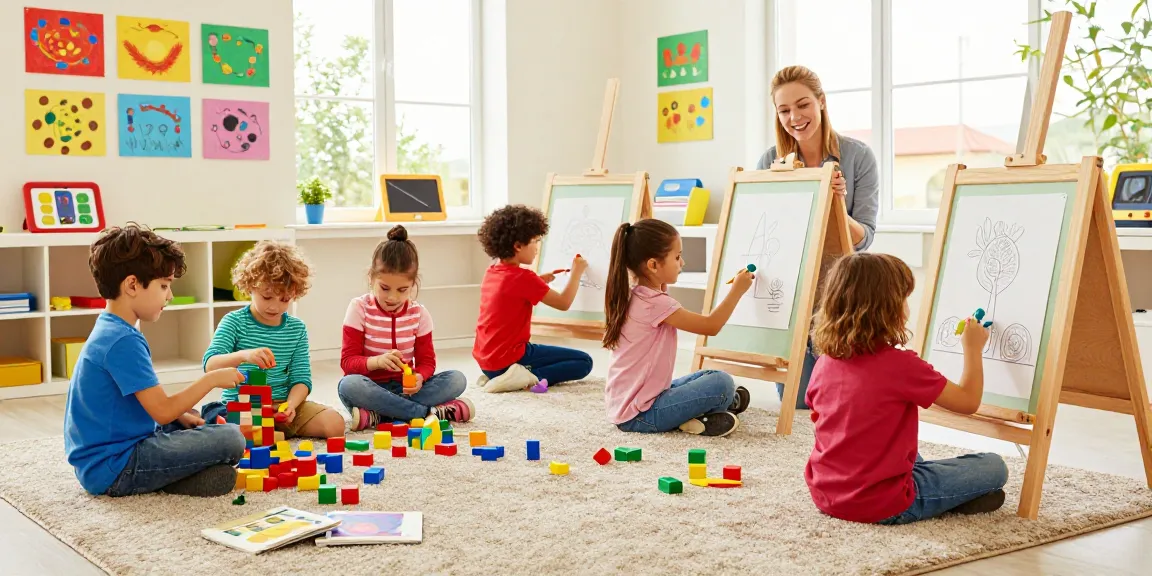
Pre nursery education is designed for children typically aged 18 months to 3 years. This stage focuses on fostering an engaging environment where children can learn through play and interaction. At this age, learning occurs naturally as children explore their surroundings, interact with peers, and engage in creative activities. The curriculum is structured to promote emotional, social, cognitive, and physical development.
Benefits of Early Childhood Learning
- Enhanced Social Skills: Early education encourages sharing, cooperation, and communication with peers.
- Cognitive Development: Inquiry-based activities stimulate critical thinking and problem-solving abilities.
- Language Acquisition: Exposure to various languages in a diverse environment supports bilingualism and language skills.
- Emotional Growth: Learning emotional regulation helps children manage their feelings and interact positively with others.
- Preparation for Formal Education: Early exposure to structured learning prepares children for kindergarten and beyond.
Key Developmental Milestones in Preschoolers
During the pre nursery stage, children reach significant milestones that are critical for their overall development. These include:
- Language Development: Using simple sentences, expanding vocabulary, and understanding basic instructions.
- Motor Skills: Improving hand-eye coordination through play activities like drawing and building.
- Social Interaction: Initiating play with peers and developing friendships.
- Cognitive Skills: Asking questions and demonstrating curiosity about their environment.
Choosing the Right Pre Nursery Singapore Program
Choosing the right pre nursery program in Singapore involves careful consideration of various factors. Parents must assess the teaching philosophy, curriculum, and overall environment offered by potential preschools to ensure they align with their child's needs.
Factors to Consider When Selecting a Preschool
Key factors include:
- Curriculum and Teaching Methods: Evaluate if the preschool employs inquiry-based learning, fostering exploration and critical thinking.
- Teacher Qualifications: The experience and training of educators play a significant role in the quality of education.
- Class Size and Teacher-to-Child Ratio: Smaller class sizes often lead to more personalized attention and support.
- Facilities and Resources: Access to safe, engaging facilities encourages hands-on learning and exploration.
How to Evaluate Curriculum Approaches
When assessing curriculum approaches, parents should consider whether the program aligns with their educational values. Programs inspired by reputable educational philosophies, such as Reggio Emilia or Montessori, focus on child-centered learning and respect for children's natural curiosities.
The Role of Parental Involvement in Education
Active parental involvement is crucial in a child's education. Regular communication between parents and teachers fosters a supportive environment where children can thrive. Attending school events, volunteering, and engaging in learning activities at home enhances the educational experience and strengthens family bonds.
Innovative Teaching Methods in Pre Nursery Settings
Innovative teaching methods are essential for keeping young learners engaged and motivated. In today's dynamic educational landscape, preschools must adapt to incorporate various teaching techniques that cater to diverse learning styles.
Inquiry-Based Learning: A Focus on Exploration
Inquiry-based learning encourages children to ask questions, explore their interests, and actively participate in their learning processes. This method fosters a sense of curiosity and ownership over their education, resulting in deeper understanding and retention of knowledge.
Integration of Play and Learning Activities
Play is a fundamental aspect of early childhood education. Integrating play with educational objectives helps children learn key concepts in an enjoyable manner. Activities such as role-playing, arts and crafts, and outdoor adventures make learning fun while developing essential skills.
Technology and Resources in Modern Classrooms
Today's preschool settings often incorporate technology to enhance learning. Interactive tools, educational apps, and digital storytelling can enrich the curriculum and provide varied learning experiences tailored to individual needs. However, the use of technology must be balanced with hands-on activities to ensure comprehensive development.
Cultural Diversity and Social Skills Development
In our increasingly interconnected world, fostering cultural awareness and inclusivity in early education is vital. Pre nursery programs should embrace diversity and help children appreciate different cultures and backgrounds.
The Importance of Inclusivity in Early Education
Inclusivity promotes a sense of belonging among children of diverse backgrounds. Preschools that celebrate differences and integrate multicultural themes into their curriculum nurture empathy and understanding, which are essential social skills.
Celebrating Cultural Differences in the Classroom
Teachers can create engaging activities that highlight cultural traditions, music, and art, helping children learn about and respect different cultures. This exposure enhances global awareness and prepares children for a diverse society.
Building Social Skills Through Group Play
Group play encourages children to develop critical social skills such as teamwork, conflict resolution, and effective communication. Learning to work together fosters friendships and builds confidence, allowing children to navigate social situations successfully.
Future Trends in Pre Nursery Education by 2026
The landscape of early childhood education is continually evolving, driven by advancements in technology and pedagogical research. Understanding the future trends can help parents make informed decisions about their child's education.
The Impact of Remote Learning on Early Education
Remote learning became more prevalent during the COVID-19 pandemic, revealing both challenges and opportunities in early education. While face-to-face interaction is vital for young learners, blending remote learning tools with traditional methods can provide flexible learning options in the future.
Emerging Educational Technologies for Young Learners
As technology continues to advance, new educational tools are being developed that cater specifically to young learners. Interactive learning platforms and virtual reality experiences are set to transform how children engage with content, making learning more immersive and engaging.
Preparing Children for Lifelong Learning in a Global Society
The ultimate goal of pre nursery education is to instill a love for lifelong learning. As the world changes rapidly, equipping children with the skills to adapt and thrive is essential. Educators must focus on 21st-century skills—critical thinking, creativity, collaboration, and communication—to prepare children for their future.
What are the key benefits of a pre nursery program?
The key benefits of a pre nursery program include enhancing social skills, fostering emotional development, and introducing foundational literacy and numeracy concepts. These benefits lay the groundwork for a successful educational journey.
How can I choose the best pre nursery near me?
Choosing the right pre nursery involves evaluating curriculum, facilities, teacher qualifications, and the overall environment. Visiting potential schools and engaging with staff can also provide valuable insights.
What developmental milestones should my child reach before starting pre nursery?
Before starting pre nursery, children should demonstrate basic communication skills, motor skills, and social awareness. They should be able to express their needs and feelings, interact with peers, and engage in simple play activities.
Is parental involvement necessary in pre nursery education?
Yes, parental involvement is crucial in pre nursery education. Engaged parents reinforce what children learn in school and help teachers understand the child’s needs, creating a collaborative learning environment.
What teaching methods are most effective in pre nursery settings?
The most effective teaching methods in pre nursery settings include inquiry-based learning, play-based learning, and a child-centered approach. These methods facilitate exploration and engage children in meaningful learning experiences.