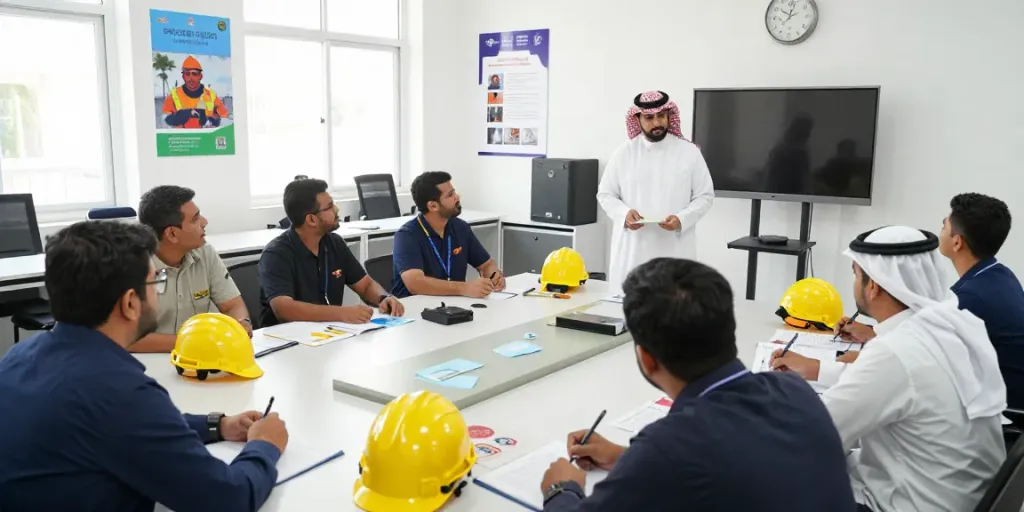
Understanding the Role of Training Institutes in Saudi Arabia
In today’s fast-evolving job market, the relevance of specialized training and education cannot be overstated, particularly in crucial sectors such as health, safety, and environment (HSE). Saudi Arabia has recognized the need for well-trained professionals and thus boasts a variety of training institutes dedicated to enhancing skills and ensuring compliance with international standards. Among these, Burraq Consulting stands out as a leading Training Institute Saudi Arabia, offering an extensive array of certification programs tailored to the needs of various industries.
Importance of HSE Training for Industries
The importance of health, safety, and environmental training is paramount in industries prone to hazard exposure. Training equips employees with the knowledge and skills necessary to mitigate risks, ensuring not only their safety but also that of their colleagues and the public. Such training is vital for sectors like oil and gas, construction, and manufacturing, where the potential for accidents and incidents is significantly higher.
Furthermore, effective HSE training fosters a culture of safety within organizations, leading to improved compliance with regulatory standards, reduced incident rates, and enhanced workforce morale. Companies that invest in comprehensive training programs also see a reduction in costs related to workplace injuries and legal compliance.
Key Certifications Offered by Training Institutes
Various certifications can be obtained through training institutes that are not only recognized locally but also internationally. Some of the key certifications include:
- NVQ Level 6 Diploma in Occupational Health and Safety Practice
- ProQual Level 7 Diploma in Strategic Health and Safety Leadership and Management
- IOSH Managing Safely
- CFPS Certification
- CSP Certification
- ISO 9001:2015 QMS
- ISO 45001:2018 OHSMS
These certifications ensure that professionals are well-versed in health and safety regulations applicable within Saudi Arabia and globally, enhancing their career prospects and abilities.
Regulatory Compliance in Saudi Arabia
Saudi Arabia's regulatory framework mandates specific training and certification for professionals working in hazardous environments. Compliance with these regulations ensures not only legal adherence but also the protection of employees and the environment. As Saudi Arabia continues to align its policies with global standards, the emphasis on HSE training will only increase, making it imperative for organizations to stay ahead in their training commitments.
Types of Health and Safety Courses Available
Training institutes in Saudi Arabia provide a diverse range of health and safety courses tailored to meet specific industry standards and requirements. Here's an overview of some of the courses available:
Overview of NFPA and ProQual Certifications
The National Fire Protection Association (NFPA) certifications are essential for professionals in fire safety and emergency response. These certifications focus on fire prevention measures, emergency response tactics, and the management of fire risks in various settings. On the other hand, ProQual certifications offer a pathway to advanced qualifications in health and safety and environmental management, establishing a solid foundation for career advancement.
NVQ Diplomas and Their Impact on Career Growth
NVQ diplomas, particularly at levels 3 and 6, are instrumental in professional development, equipping individuals with hands-on experience and knowledge applicable in real-world scenarios. Achieving an NVQ diploma can significantly enhance an individual's employability and career progression, as it demonstrates a commitment to professional growth and competence.
Specialized Training for Different Industries
Training providers often offer specialized courses tailored to the unique challenges and requirements of different industries. For instance, courses on electrical safety, confined space entry, and fire safety management cater specifically to the construction and manufacturing sectors, ensuring that employees are adequately prepared to handle industry-specific hazards.
Choosing the Right Training Institute in Saudi Arabia
When it comes to selecting a training institute, several factors should be considered to ensure the best educational experience. The right choice can significantly impact an individual’s career trajectory and professional skills development.
Factors to Consider When Selecting a Training Provider
- Accreditation: Ensure that the institute is recognized by relevant authorities and offers accredited courses.
- Industry Experience: Consider the experience and qualifications of the trainers and their connection to the industry.
- Course Offerings: Evaluate whether the training institute offers a comprehensive range of courses relevant to your career goals.
- Flexibility: Check if the institute offers flexible scheduling, including on-demand training options.
Evaluating Course Content and Delivery Methods
It is crucial to review the course content and delivery methods employed by the training institute. Quality training measures should include practical, hands-on experiences coupled with theoretical knowledge. Engaging delivery methods, such as interactive workshops and case studies, enhance learning and retention.
Assessing Accreditation and Partnerships
Before enrolling, verify the institute's partnerships with recognized bodies like the NFPA, IOSH, and ProQual. Accreditation ensures that the training provided meets high standards of quality and relevance to the industry.
Maximizing Your Training Experience
To truly benefit from training, participants should take proactive steps to maximize their learning experience and outcomes.
Setting Personal Learning Goals
Establishing clear learning goals can guide your training journey and ensure you focus on areas critical for your career. These goals should be specific, measurable, achievable, relevant, and time-bound (SMART).
Leveraging Group Training Opportunities
Participating in group training can enhance the learning experience through peer interactions and collaborative learning. Group training also often offers cost benefits, making it a more economical choice for organizations looking to train multiple employees simultaneously.
Engaging in Continuous Professional Development
With the continuous evolution of industry standards and technologies, ongoing professional development is essential. Engage in additional courses, workshops, and refresher training sessions to stay updated on the latest trends and practices in HSE.
Future Trends in HSE Training in Saudi Arabia
The landscape of training is constantly changing, and it is essential to stay abreast of new developments and trends.
The Role of Technology in Training Delivery
Technological advancements are significantly reshaping how training is delivered. The use of virtual reality (VR), online simulations, and e-learning platforms allows for more flexible and effective training solutions. This trend is particularly beneficial in not only enhancing engagement but also in broadening access to training.
Emerging Safety Standards and Practices
As health and safety regulations evolve, it is crucial for training institutes to adapt their courses to include the latest practices and compliance standards. Staying informed about these changes ensures that professionals are equipped to handle the latest safety challenges.
Preparing for Changes in Regulatory Requirements
Training institutes must remain proactive in anticipating changes in regulations that could impact industries. This means regularly updating course content and ensuring instructors are well-informed of new laws and policies.
What is ISO Certification in Saudi Arabia?
ISO certification conveys that an organization adheres to international standards in quality management, environmental management, and occupational health and safety. In Saudi Arabia, achieving ISO certification can enhance an organization's marketability, efficiency, and overall operational performance.
How Much is the Nebosh Course in Saudi Arabia?
The cost of the Nebosh course in Saudi Arabia can vary depending on the training provider and the level of certification sought. Typically, individuals can expect to pay anywhere from a few thousand to several thousand Saudi Riyals for comprehensive training packages, which often include course materials and assessments.
Which Course is Best for a Job in Saudi Arabia?
The best course for securing employment in Saudi Arabia largely depends on the industry of interest. HSE certifications, particularly those recognized internationally, such as Nebosh or IOSH, are in high demand across various sectors, enhancing employability.
Training Institute Saudi Arabia Fees?
Fees for training institutes in Saudi Arabia vary widely based on the type of course, duration, and accreditation level. It is advisable to compare different institutes and their offerings to determine the best fit for your budget and professional goals.
Frequently Asked Questions about HSE Training
- What is the duration of HSE training courses? – Duration varies significantly; short courses can last a few days, while diplomas may take several months.
- Are training courses available online? – Many institutes offer online courses, providing greater flexibility for working professionals.
- What is the minimum qualification required for HSE courses? – Requirements vary; some may require prior knowledge or experience in health and safety, while others may be open to beginners.