Understanding SMT PCB Assembly Services
Surface Mount Technology (SMT) PCB assembly services are an essential part of the electronics manufacturing landscape, allowing for the efficient and precise production of printed circuit boards. As technology continues to evolve, the demand for high-quality SMT assembly has surged, driven by industries ranging from consumer electronics to automotive and medical devices. Companies seeking to enhance their product offerings and speed up their time to market must understand the nuances of SMT services and how they can benefit their operations. When exploring options, SMT PCB assembly services provide comprehensive insights into the processes involved and the advantages they can bring.
What are SMT PCB Assembly Services?
SMT PCB assembly services involve the process of assembling electronic components onto printed circuit boards (PCBs) using surface mount technology. Unlike traditional through-hole technology, where components are inserted into drilled holes, SMT allows components to be mounted directly onto the surface of the PCB. This method leads to smaller and lighter boards, increased component density, and faster assembly processes, making it ideal for modern electronic devices.
Benefits of Using SMT PCB Assembly
- Higher Density: SMT allows for a more compact design, accommodating more components in a smaller area, which is crucial for mobile and handheld devices.
- Increased Speed: The automation of the SMT assembly process significantly reduces production times, enabling faster turnaround for prototypes and production runs.
- Cost-Effectiveness: Although initial setup costs can be higher, SMT typically results in lower overall production costs due to reduced material usage and shorter assembly times.
- Enhanced Performance: SMT components often have better electrical performance and reliability, which is vital for high-quality electronic devices.
Common Applications of SMT Technology
SMT technology is widely used across various industries, including:
- Consumer Electronics: Smartphones, tablets, and wearables frequently utilize SMT for their compact and efficient designs.
- Automotive: Modern vehicles incorporate numerous electronic systems, all benefiting from SMT's space-saving advantages.
- Medical Devices: Precision and reliability in SMT assembly are critical, making it the go-to choice for manufacturers in the medical field.
- Telecommunications: High-density PCBs are essential for devices such as routers, switches, and communication infrastructure.
Choosing the Right SMT Service Provider
Selecting a suitable SMT service provider is crucial for ensuring your project's success. The right choice can maximize efficiency and minimize risks associated with PCB assembly.
Key Factors to Consider When Selecting a Provider
When evaluating potential SMT providers, consider the following factors:
- Experience: Look for a company with a proven track record in SMT assembly across relevant industries.
- Capabilities: Ensure the provider has the necessary equipment and expertise to handle your specific PCB requirements.
- Lead Times: Assess their ability to meet your production timelines, particularly if you require quick-turnaround services.
- Customer Support: A responsive and knowledgeable support team can make a significant difference during the assembly process.
Evaluating Quality Standards and Certifications
Quality is paramount in SMT PCB assembly. It’s essential to choose a provider that adheres to high-quality standards such as ISO 9001, IPC-A-610, and AS9100 for aerospace applications. These certifications not only ensure that the products meet industry-specific requirements but also help establish confidence in the assembly process.
Assessing Cost vs. Quality in SMT Services
While cost is an important consideration, it should not come at the expense of quality. Assessing the long-term value and reliability of the assembly service is vital. Low-cost providers may cut corners that impact the product's performance and longevity. Consider total cost of ownership, which includes production costs, quality control measures, and the potential costs associated with product recalls or failures.
SMT PCB Assembly Process Overview
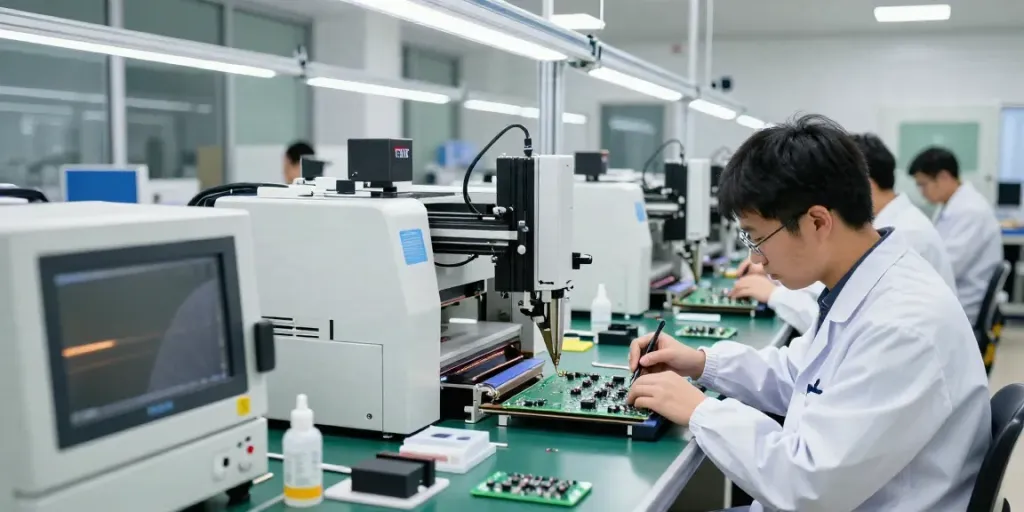
The SMT PCB assembly process consists of several key steps that together ensure high-quality production. Understanding these stages will help you appreciate the complexity and precision involved in the assembly of PCBs.
Step-by-Step Breakdown of SMT Assembly
- Design and Prototyping: The process begins with the design of the PCB and the prototype phase, where initial versions are tested for functionality.
- Stencil Printing: A stencil is used to apply solder paste to the PCB pads where components will be placed.
- Placement: Automated pick-and-place machines position the SMT components on the PCB. This step is crucial for ensuring accurate placement.
- Soldering: The assembled boards undergo soldering, usually through reflow ovens, which melt the solder paste and create electrical connections.
- Inspection: After soldering, the boards are inspected using automated optical inspection (AOI) systems to identify defects.
- Functional Testing: Finally, each PCB is tested to ensure it performs according to its specifications.
Role of Automation in the SMT Process
Automation plays a critical role in modern SMT assembly. Automated systems enhance precision, reduce labor costs, and increase production efficiency. With the ability to quickly adapt to varying production volumes and designs, automation allows manufacturers to meet the demands of dynamic market conditions.
Challenges Faced During Assembly
Despite the advancements in SMT technology, several challenges can hinder the assembly process:
- Component Availability: Shortages of specific components can delay production and lead to increased costs.
- Complex Designs: As devices become more intricate, the complexity of PCBs increases, necessitating advanced assembly techniques.
- Quality Control: Maintaining high-quality standards across batches can be difficult, especially when scaling up production.
Best Practices for Effective SMT PCB Assembly
Implementing best practices in SMT PCB assembly can significantly enhance production efficiency and product quality.
Quality Control Measures in SMT PCB Assembly
Robust quality control processes are essential for mitigating defects and ensuring reliability. Techniques such as statistical process control (SPC), failure mode effects analysis (FMEA), and continuous improvement methodologies can be applied to monitor production quality.
Optimizing Production Efficiency
To optimize production efficiency, manufacturers should consider lean manufacturing principles, which focus on reducing waste and improving workflow. Regular training of staff on the latest technologies and assembly techniques can also enhance efficiency.
Latest Technologies in SMT Assembly
Staying updated with the latest SMT technologies is crucial. Innovations like artificial intelligence in assembly processes, advanced inspection systems using machine learning, and improved soldering technologies can provide a competitive edge. Integrating these advancements into your operations can streamline processes and enhance overall product quality.
Future Trends in SMT PCB Assembly Services
The landscape of SMT PCB assembly is continually evolving, influenced by technological advancements and changing industry demands.
Emerging Technologies Impacting SMT Assembly
Technologies such as 3D printing for prototypes, the Internet of Things (IoT), and augmented reality (AR) for assembly line training are beginning to reshape how SMT assembly is performed. These innovations promise to enhance efficiency and reduce time-to-market for new products.
Market Predictions for SMT Services in 2026
As the electronics market expands, the SMT PCB assembly services sector is expected to grow significantly. Market analysts predict an increase in demand for high-density PCBs used in emerging technologies such as electric vehicles and smart devices. This growth will drive further innovation in assembly techniques and technologies.
Adapting to Industry Changes: What Businesses Need to Know
Businesses must remain agile, adapting to the rapid technological advancements and market fluctuations. Emphasizing continuous learning and flexibility in manufacturing processes will enable companies to thrive in a competitive environment. Moreover, keeping abreast of regulatory changes and compliance requirements is critical to maintaining quality and operational excellence.
What are the costs of assembling a PCB?
The costs associated with PCB assembly can vary widely based on factors such as component type, complexity of the design, and volume of production. Generally, initial setup costs may be higher due to design and testing but are offset by lower costs per unit as volume increases.
What is SMT in PCB assembly?
Surface Mount Technology (SMT) refers to the method of mounting electronic components directly onto the surface of PCBs, enhancing compactness and efficiency in design and manufacturing.
What are PCB assembly services?
PCB assembly services encompass the processes involved in assembling electronic components onto printed circuit boards, including design, prototyping, soldering, and testing to ensure functionality.
How much does an SMT line cost?
The cost of setting up an SMT line can be substantial, typically encompassing equipment, labor, and materials. However, the return on investment through increased efficiency and reduced defect rates can justify the initial expenses.
Can I get quick-turn PCB assembly services?
Yes, many SMT service providers offer quick-turn PCB assembly services, allowing for rapid prototype development and meeting urgent production schedules. However, ensure that the quality standards are maintained even under expedited timelines.