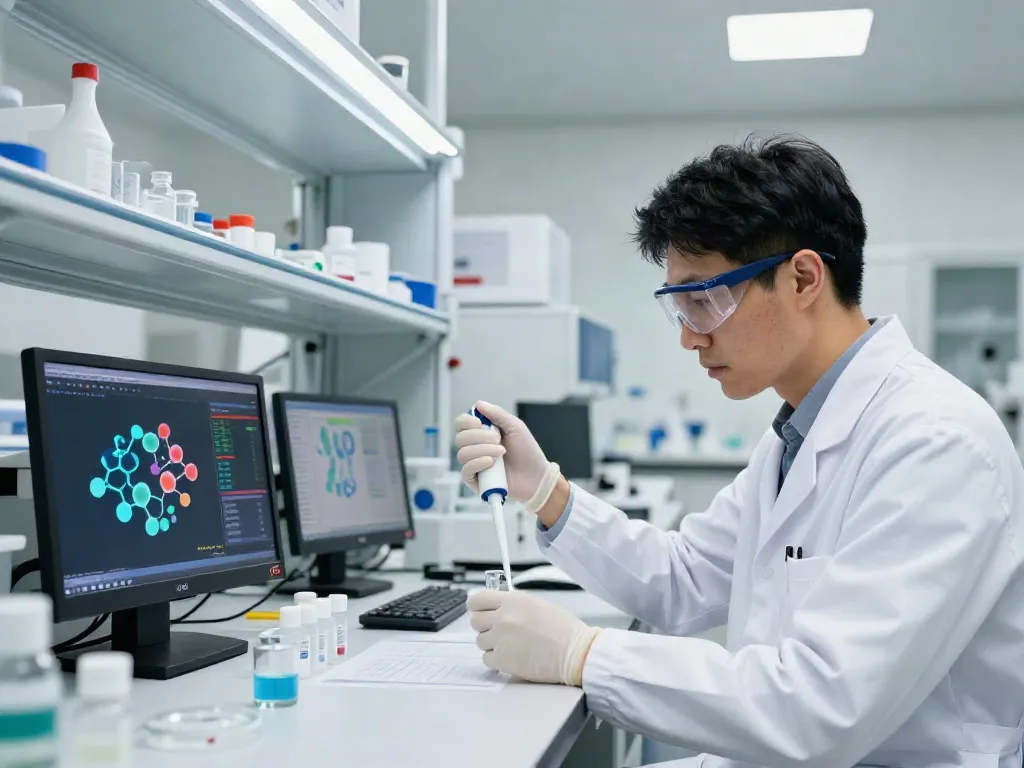
Understanding KPV10: The Basics of Peptide Science
KPV10 is a synthetic tripeptide that is rapidly gaining attention in the field of biomedical research. Comprised of the amino acids lysine, proline, and valine, this peptide has shown promise as a potent modulator of immune function and inflammation. As researchers continue to explore its physiological effects, KPV10 has emerged as a subject of interest for various applications, from enhancing wound healing to managing inflammatory conditions. With the growing body of research, the importance of understanding both the composition and mechanism of action of KPV10 cannot be overstated. When exploring options, kpv10 provides comprehensive insights into its potential benefits and applications.
What is KPV10 and Its Composition?
KPV10, derived from the sequence of the naturally occurring peptide alpha-melanocyte stimulating hormone (α-MSH), is developed for its unique properties. It consists of three amino acids—lysine (Lys), proline (Pro), and valine (Val)—which contribute to its ability to interact with specific receptors in the body, particularly those involved in the modulation of inflammation and immune responses. The tripeptide's sequence is vital, as even minor alterations can significantly affect its biological activity. Understanding the molecular structure of KPV10 offers insights into its function and potential therapeutic applications.
The Role of KPV10 in Immune Modulation
KPV10 plays a crucial role in immune modulation, particularly in reducing excessive inflammatory responses that can lead to tissue damage. By acting on melanocortin receptors, KPV10 influences the release of cytokines and other mediators involved in the inflammatory pathway, presenting a targeted approach to managing immune-related conditions. This selective modulation minimizes side effects often associated with broad-spectrum anti-inflammatory agents, making KPV10 an intriguing candidate for further exploration in therapeutic settings.
Historical Context of KPV Research
The study of KPV and its biological effects began with interest in α-MSH, which is known for its anti-inflammatory and immunomodulatory properties. As research progressed, scientists isolated and synthesized KPV, leading to investigations into its specific mechanisms of action. Historical studies have indicated its potential not only in inflammation control but also in various metabolic pathways, laying the groundwork for modern research focusing on applications in dermatology, gastroenterology, and immunology.
Benefits of KPV10: What Research Shows
Recent studies have highlighted a range of benefits associated with KPV10, particularly its anti-inflammatory properties and its role in promoting healing. By examining various research findings, we can better understand how KPV10 may contribute positively to health outcomes.
Anti-Inflammatory Properties of KPV10
KPV10 has demonstrated significant anti-inflammatory properties through multiple studies. Research indicates that it can help modulate the immune response, reducing levels of pro-inflammatory cytokines while promoting the production of anti-inflammatory markers. This balance is critical for conditions characterized by chronic inflammation, such as autoimmune diseases, and has generated interest in KPV10 as a potential therapeutic agent.
KPV10 and Wound Healing: A Scientific Perspective
In addition to its role in inflammation management, KPV10 has shown promise in wound healing processes. Studies suggest that KPV10 can enhance fibroblast proliferation and migration, crucial steps in tissue repair. By influencing cell signaling pathways, KPV10 facilitates faster healing times and improved outcomes for skin injuries, surgical wounds, and chronic ulcers. Understanding the mechanisms behind KPV10's effects on wound healing could open new avenues for treatment strategies in dermatology and reconstructive surgery.
Potential Applications in Health and Medicine
The potential applications of KPV10 extend beyond wound healing and inflammation. Emerging research suggests its role in modulating gut health, particularly in conditions such as inflammatory bowel disease (IBD). Furthermore, its ability to interact with the central nervous system may lead to applications in managing neuroinflammation and other neurological disorders. As research continues, the breadth of KPV10's applications could revolutionize approaches in various medical fields.
Safety and Dosage: Best Practices for KPV10
While KPV10 shows promise, understanding its safety profile and appropriate dosing is critical for researchers and clinicians. Adhering to recommended guidelines ensures that the peptide is used effectively and responsibly in laboratory settings.
Recommended Dosages for Laboratory Use
The optimal dosage of KPV10 for research purposes varies depending on the specific application and the model being studied. Most studies utilize doses ranging from 10 to 100 mg per milliliter, typically administered via injection or topical application. Researchers are encouraged to follow established protocols and adapt dosages based on the specifics of their experimental design and observed effects.
Possible Side Effects and Precautions
As with any experimental peptide, understanding potential side effects is paramount. While KPV10 has shown a favorable safety profile in preliminary studies, potential adverse effects could include localized irritation at the injection site or transient immune reactions. Comprehensive safety assessments are necessary to ensure that KPV10 is used effectively while minimizing risks.
Regulatory Guidelines for KPV10 Use in Research
Research involving KPV10 must adhere to regulatory guidelines set by institutions and ethical boards. Since KPV10 is intended for laboratory research and not for human consumption, compliance with Good Laboratory Practices (GLP) and Institutional Review Board (IRB) requirements is essential. Researchers should be vigilant in reporting any findings related to safety and efficacy to contribute to the broader understanding of KPV10.
KPV10 in Research: Current Trends and Findings
The landscape of KPV10 research is evolving, with ongoing studies shedding light on its potential benefits and applications. Current trends highlight exciting developments in the understanding of this peptide.
Emerging Studies on KPV10 Efficacy
Recent investigations have focused on KPV10's efficacy in various models, from cellular assays to animal studies. Researchers have begun to uncover the intricate pathways through which KPV10 exerts its effects, particularly in modulating immune responses and accelerating wound healing. Collaborative efforts are underway to explore its potential applications in clinical settings.
Collaborative Research: Academic and Industry Perspectives
Collaboration between academic institutions and industry stakeholders is driving forward KPV10 research. Joint ventures have led to innovative studies aimed at validating KPV10's therapeutic potential through rigorous scientific methodology. This synergy is crucial for translating research from the lab to real-world applications, particularly in the pharmaceutical and biotechnology sectors.
Future Directions for KPV10 Studies
Looking ahead, the future of KPV10 research appears promising. Emerging areas of interest include its role in chronic inflammatory diseases and neurodegenerative conditions. Ongoing and future studies will be essential in establishing KPV10's mechanisms of action and therapeutic value, ultimately providing researchers with valuable insights into its clinical applications.
Conclusion: The Future of KPV10 Research and Implications
The journey of KPV10 research has just begun, with promising findings indicating its potential across various fields of health and medicine. As we advance into 2026, the implications of KPV10's efficacy could significantly affect how we approach immune modulation and healing strategies.
Impacts on Biomedical Research and Development
The impacts of KPV10 on biomedical research extend beyond basic science. Its potential to transform treatment paradigms in chronic inflammation and wound healing could pave the way for novel therapies. Understanding KPV10's role within the broader context of peptide research will be essential for harnessing its full potential.
What Researchers Should Know Moving Forward
As researchers delve deeper into KPV10, it is essential to keep abreast of the latest findings and regulatory developments. Engaging with ongoing studies and collaborating with other scientists could enhance the depth of knowledge surrounding this promising peptide. Understanding the molecular underpinnings of KPV10 and its applications will be crucial in advancing research in the coming years.
Frequently Asked Questions about KPV10
What is KPV peptide good for?
KPV peptide is primarily used for its anti-inflammatory properties and its potential to enhance wound healing. Researchers are investigating its application in various medical fields, including immunology and gastroenterology.
Who should not take KPV peptide?
Given that KPV is intended for research purposes only, individuals should not administer it outside of controlled laboratory conditions. Those with known sensitivities to peptides or immune-modulating substances should exercise caution and consult with professionals if necessary.
How long does KPV peptide take to work?
The time frame for observing effects from KPV peptide can vary based on the model and method of administration. Initial effects on inflammation may be noticeable within days to weeks, depending on the specific application.
How much KPV peptide should I take?
Research-determined dosages typically range from 10 to 100 mg per milliliter, but specific dosages should follow established protocols and be tailored based on the experimental design.
Are there any known side effects of KPV10?
While KPV10 has demonstrated a favorable safety profile, possible side effects may include localized irritation. Comprehensive safety assessments in studies are crucial to understanding its risk profile better.