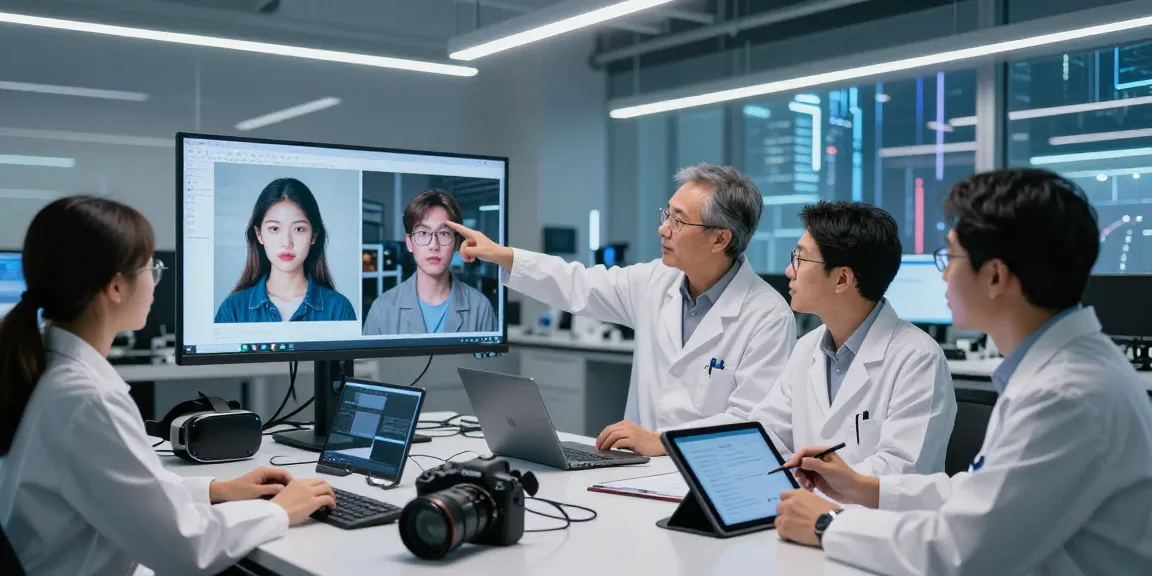
The Growing Importance of AI-Generated Image Detection
As we navigate the digital landscape of 2026, the proliferation of AI-generated images poses a significant challenge for individuals, businesses, and regulators alike. The capacity of artificial intelligence to produce hyper-realistic images has surged, creating a need for robust detection methods to identify these synthetic visuals. With implications ranging from misinformation to intellectual property concerns, the role of AI-Generated Image Detection is becoming increasingly vital across various sectors.
What is AI-Generated Image Detection?
AI-generated image detection involves the use of advanced algorithms and techniques to determine whether an image has been created by artificial intelligence systems, such as GANs (Generative Adversarial Networks) or other AI models. These detection tools analyze visual features, patterns, and anomalies that typically distinguish human-created images from those generated by machines. With the rise of deepfakes and image manipulations, effective detection is essential for preserving trust and authenticity in digital media.
Current Applications in Various Industries
Numerous industries are harnessing AI-generated image detection technologies to enhance security, maintain integrity, and protect brand reputation:
- Media and Journalism: News organizations utilize detection tools to verify images and combat misinformation.
- Advertising: Brands employ detection systems to ensure that promotional material reflects genuine human experiences and narratives.
- Art and Entertainment: Artists and producers leverage detection technologies to safeguard their work from unauthorized use or misrepresentation.
- Legal and Compliance: Law firms are beginning to adopt image detection methodologies to authenticate evidence in legal proceedings.
Technology Trends Driving AI-Generated Image Detection
Advancements in AI and Machine Learning
The rapid advancements in machine learning algorithms are empowering detection technologies to become increasingly sophisticated. Deep learning techniques, such as convolutional neural networks (CNNs), are essential for analyzing complex image datasets, allowing for more accurate identification of AI-generated content. As these technologies evolve, we can expect enhanced performance, leading to higher detection rates.
Emerging Technologies in Image Processing
Alongside machine learning, other innovations in image processing are crucial. Techniques like image forensics, which examines the metadata and digital footprints of an image, are gaining traction. These methods assist in determining whether an image has undergone alterations or been generated by AI, ensuring that authenticity can be verified even in the most deceptive scenarios.
Integration with Digital Media Platforms
Digital media platforms are increasingly integrating AI-generated image detection capabilities directly into their systems. From social media to news aggregation sites, real-time detection tools are being developed to flag potentially misleading content before it spreads. This proactive approach not only enhances user safety but also fosters an environment of accountability among content creators.
Challenges in AI-Generated Image Detection
Common Misconceptions About Detection Accuracy
Despite the advancements in detection technologies, there are widespread misconceptions regarding their accuracy. Many users believe that these tools can guarantee 100% reliability. However, the reality is that while detection tools are highly effective, they are not infallible. The sophistication of AI models means that continually adapting and updating detection algorithms is necessary to keep up with new generations of image synthesis.
Limitations of Current Detection Tools
Current detection tools often struggle with images that combine elements from different sources or undergo subtle manipulations. This limitation highlights the need for further research into more sophisticated detection strategies that can address hybrid techniques used in AI image creation.
Legal and Ethical Implications of Misuse
The misuse of AI-generated images raises significant legal and ethical concerns. From defamation to copyright infringements, the capacity to create and distribute misleading visuals can have serious ramifications. Establishing a legal framework that addresses both the rights of content creators and the ramifications of AI misuse is an ongoing challenge that requires collaborative efforts across industries.
Best Practices for Implementing Detection Solutions
Choosing the Right Detection Tools
When selecting detection tools, businesses should prioritize solutions that leverage cutting-edge AI and machine learning technologies. The right tool should not only analyze images but also adapt to emerging threats posed by evolving AI generation techniques. Comprehensive reviews and comparisons of available tools can aid in making informed decisions.
Training and Educating Teams on Usage
Implementing a detection solution effectively necessitates thorough training for team members. This training should include understanding the functionalities of the detection tools alongside the context in which they will be used. Empowering employees with the knowledge to discern between authentic and generated images will enhance the overall efficacy of the solution.
Measuring Effectiveness and Performance Metrics
To evaluate the success of AI-generated image detection solutions, businesses should establish clear performance metrics. Regular assessments of detection accuracy, speed, and user feedback can provide valuable insights into the effectiveness of the implemented tools and highlight areas for improvement.
Future Predictions for AI-Generated Image Detection
What to Expect in 2026 and Beyond
Looking ahead, we expect AI-generated image detection technologies to integrate more seamlessly with existing digital frameworks. Enhanced collaboration between AI developers and regulatory bodies will likely lead to standardized protocols for detection, improving reliability and transparency in content verification processes.
Innovative Use Cases in Emerging Fields
The potential applications of AI-generated image detection are vast. Fields such as virtual reality (VR) and augmented reality (AR) will increasingly require effective detection mechanisms to ensure the authenticity of digital interactions. As immersive technologies become more widespread, the ability to discern generated images will be paramount in maintaining user trust.
Expert Insights and Recommended Strategies
Experts recommend adopting a proactive stance in the development of AI-generated image detection strategies. This includes fostering interdisciplinary collaborations among technologists, ethicists, and legal experts to anticipate challenges and create robust frameworks for detecting and managing synthetic media. Engaging with stakeholders across sectors will be key to effective implementation.
What are the best AI image detection tools available?
As the demand for AI image detection grows, various tools have emerged, including Sightengine, ZeroGPT, and WasItAI. Each of these provides unique capabilities tailored to different user needs, from simple detection to comprehensive analysis of images.
How does AI-Generated Image Detection work?
AI-generated image detection typically relies on machine learning models trained on vast datasets of real and AI-generated images. These models learn to identify patterns and anomalies characteristic of synthetic images, allowing them to flag content for further review.
What industries can benefit from image detection technology?
Industries such as healthcare, news media, advertising, and legal services can benefit significantly from image detection technologies. These tools can help ensure the integrity of visual content and uphold ethical standards across these sectors.
Are AI-generated images legally protected?
The legal status of AI-generated images remains ambiguous, with intellectual property laws still evolving to address the complexities of AI creation. As these technologies advance, so too will the legal frameworks that govern their use and protect rights of creators.
What are the ethical considerations regarding AI-generated images?
Ethical considerations surrounding AI-generated images include issues related to consent, authenticity, and the potential for misuse. It is crucial for businesses and individuals to navigate these challenges responsibly to foster trust and respect in digital engagement.